













- Vibrant spaces featuring pavilion88 redefine modern luxury and artistic expression
- The Philosophy Behind Experiential Design
- The Role of Materiality and Texture
- Curating Artistic Expression Within Spaces
- The Importance of Commissioned Art
- The Integration of Technology for Enhanced Experiences
- Smart Home Automation and Customization
- Sustainability and Biophilic Design Principles
- Beyond Aesthetics: Anticipating Future Trends
Vibrant spaces featuring pavilion88 redefine modern luxury and artistic expression
The landscape of modern luxury and artistic expression is constantly evolving, with innovative spaces leading the charge. Among these forward-thinking concepts, pavilion88 stands out as a compelling example of how design and experience can converge to create something truly exceptional. It represents a commitment to crafting environments that are not just aesthetically pleasing, but also deeply resonant and uniquely tailored to the individuals who inhabit them. The focus is on providing immersive atmospheres, blending artistry with functionality, and pushing the boundaries of conventional luxury.
This approach extends beyond mere interior decoration; it influences the entire design philosophy, from architectural planning to the selection of materials and the integration of technology. It’s about forging emotional connections through thoughtfully curated spaces that reflect a refined taste and an appreciation for the finer things in life. The aspiration is to create destinations, not just locations, that inspire, rejuvenate, and enrich the lives of those who experience them. The success of such ventures relies heavily on understanding the nuances of client needs and translating those needs into tangible, breathtaking realities.
The Philosophy Behind Experiential Design
Experiential design is at the heart of the allure surrounding spaces like these, prioritizing the human experience above all else. This involves a deep understanding of how people interact with their surroundings, considering factors like light, sound, texture, and spatial arrangement to evoke specific emotions and create a lasting impression. It’s about moving beyond the purely visual and engaging all the senses, crafting a multi-layered environment that resonates with visitors on a subconscious level. Architects and designers are increasingly employing this approach, recognizing that a well-designed space can significantly impact mood, productivity, and overall well-being. The aim isn't simply to fill a room with beautiful objects, but to orchestrate an environment where those objects contribute to a coherent and impactful narrative. This philosophy often leads to the incorporation of interactive elements, personalized details, and unique artistic installations.
The Role of Materiality and Texture
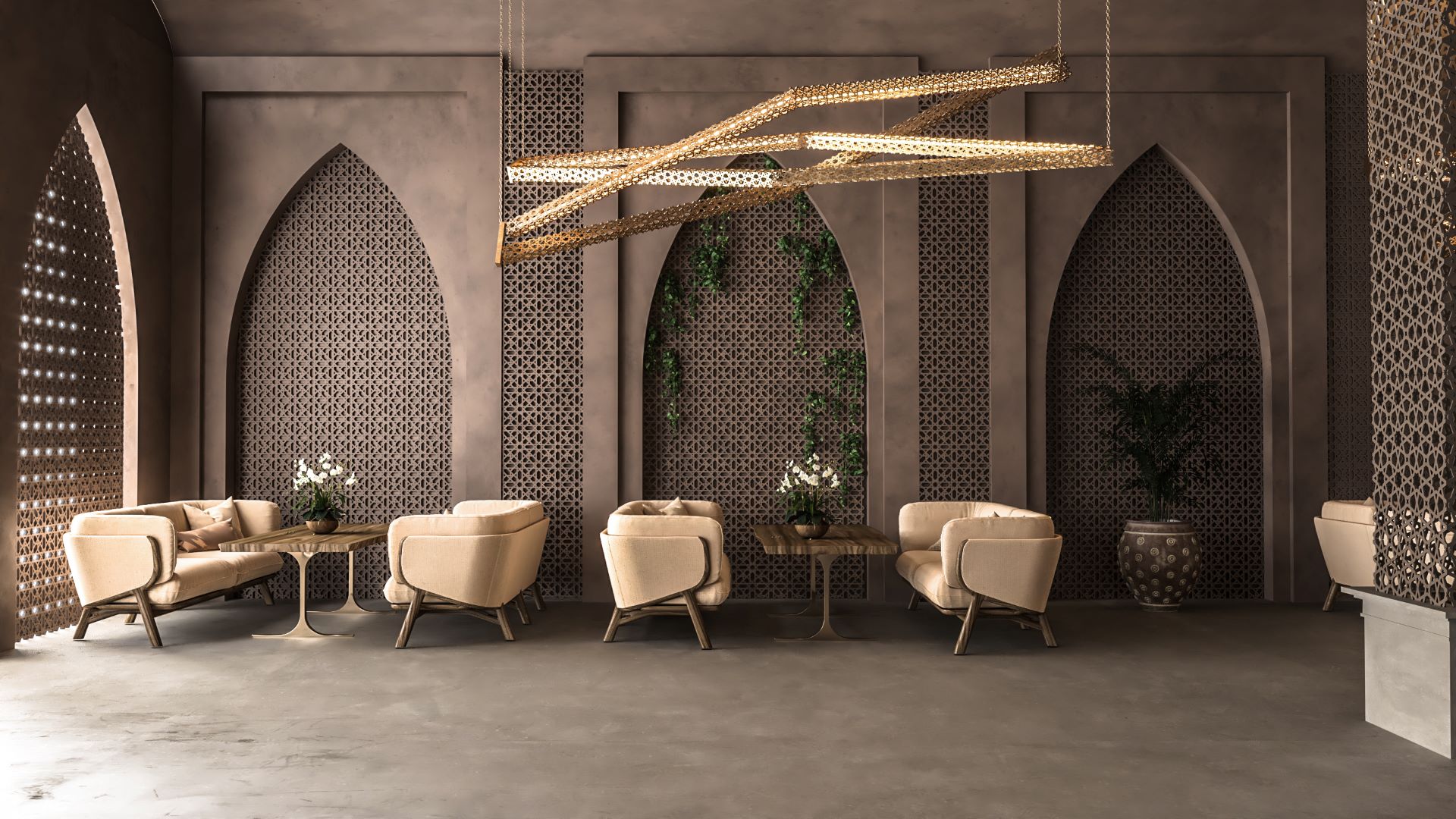
Central to the success of experiential design is the careful selection and application of materials and textures. Different materials evoke different emotions and associations; wood brings warmth and a sense of nature, while metal can convey sophistication and modernity. Texture adds another layer of complexity, inviting tactile exploration and enhancing the overall sensory experience. For instance, a smooth, polished surface might feel elegant and refined, while a rough, weathered texture could evoke a sense of history and authenticity. The interplay between light and material is also critical – how light interacts with a surface can dramatically alter its appearance and mood. Interior designers pay meticulous attention to these details, understanding that even subtle nuances can make a significant difference in the overall impact of a space. The goal is to create a harmonious blend of materials that feels both visually appealing and emotionally resonant.
| Wood | Warmth, Natural, Comfort | Flooring, Paneling, Furniture |
| Metal | Sophistication, Modern, Industrial | Fixtures, Sculptural Elements, Accents |
| Glass | Transparency, Light, Openness | Windows, Partitions, Decorative Features |
| Stone | Strength, Durability, Timelessness | Flooring, Walls, Exterior Cladding |
The considered use of materials elevates a space from functional to unforgettable, demonstrating a respect for both design principles and the human experience. Ultimately, the selection of materials becomes a storytelling device, contributing to the broader narrative of the design.
Curating Artistic Expression Within Spaces
Art and design are inextricably linked, and the integration of artistic expression is a defining characteristic of these luxury spaces. This isn’t simply about hanging paintings on the walls; it’s about incorporating art into the very fabric of the environment. This can take many forms, from commissioning bespoke artworks specifically for the space to showcasing established artists whose work complements the overall design aesthetic. The art should enhance, not detract from, the architectural features and the intended atmosphere. A thoughtfully curated collection can tell a story, provoke conversation, and add a layer of intellectual stimulation to the experience. It's about creating a dialogue between the art, the architecture, and the people who inhabit the space. It aims to foster a sense of wonder and inspire creativity.
The Importance of Commissioned Art
Commissioning artwork specifically for a project allows for a level of customization and integration that isn’t possible with off-the-shelf pieces. This enables designers to collaborate directly with artists, ensuring that the artwork perfectly complements the space in terms of scale, color palette, and thematic resonance. Commissioned artwork can also be tailored to reflect the unique history or identity of the location or the client's personal preferences. This creates a sense of exclusivity and personalization that is highly valued in the luxury market. The process often involves detailed discussions between the designer, the artist, and the client, resulting in a truly collaborative and meaningful outcome. This bespoke approach ensures the art feels integral to the space, rather than simply being an added element. A carefully chosen artist can elevate the entire project, transforming it into a genuine work of art.
- Art should complement, not compete with, the architecture.
- Commissioned pieces offer unique customization.
- The art's theme should resonate with the space's purpose and identity.
- Collaboration between artist, designer, and client is vital.
- Consider the scale and color palette for seamless integration.
The integration of art isn’t merely decorative; it's a key element in creating a holistic and immersive experience within these spaces.
The Integration of Technology for Enhanced Experiences
Modern luxury spaces often leverage technology to enhance the user experience, seamlessly integrating it into the design without overpowering it. This can include smart lighting systems that adjust to the time of day or the mood of the occupants, automated shading controls that optimize natural light, and integrated sound systems that deliver immersive audio. The key is to use technology in a way that is intuitive and unobtrusive, adding convenience and comfort without sacrificing the aesthetic integrity of the space. These technologies can transform a space, making it more responsive to the needs of its inhabitants and creating a more personalized and engaging experience. The integration of technology underlines the commitment to creating spaces that are not only beautiful but also functional and intelligent. The emphasis is on creating a seamless blend of form and function.
Smart Home Automation and Customization
Smart home automation is becoming increasingly sophisticated, offering users unprecedented control over their environment. From controlling lighting and temperature to managing security systems and entertainment options, these systems allow for a high degree of customization and personalization. Voice-activated assistants, smartphone apps, and integrated control panels provide convenient ways to manage these features. This level of control not only enhances comfort and convenience but also contributes to energy efficiency and sustainability. Furthermore, smart home automation can adapt to the user's routines and preferences, learning their habits and automatically adjusting settings accordingly. This creates a truly personalized experience, making the space feel more intuitive and responsive to the occupant’s needs. The possibilities are virtually endless, limited only by imagination and technological advancements.
- Implement smart lighting for automated control and mood setting.
- Utilize automated shading to optimize natural light and privacy.
- Integrate a high-quality sound system for immersive audio.
- Employ smart thermostats for energy efficiency and comfort.
- Utilize a centralized control system for seamless management.
Technology, when thoughtfully integrated, adds a layer of sophistication and convenience to these luxury environments.
Sustainability and Biophilic Design Principles
A growing awareness of environmental issues is influencing the design of luxury spaces, with a greater emphasis on sustainability and biophilic design principles. Biophilic design seeks to connect occupants more closely to the natural world through the use of natural materials, ample daylight, and the incorporation of plants and greenery. This not only enhances the aesthetic appeal of the space but also has proven benefits for mental and physical well-being. Sustainable materials, such as reclaimed wood, bamboo, and recycled content, are becoming increasingly popular choices for construction and interior design. Energy-efficient lighting, water-saving fixtures, and passive solar design strategies further reduce the environmental impact of these spaces. The goal is to create environments that are not only beautiful and luxurious but also responsible and ecologically sound.
Beyond Aesthetics: Anticipating Future Trends
The evolution of design is continuous, and staying ahead of the curve requires a proactive approach. The future of spaces like these will likely involve an even greater emphasis on personalization, adaptability, and technological integration. We can anticipate the rise of modular designs that can be easily reconfigured to meet changing needs, as well as the increasing use of artificial intelligence to create truly responsive and intelligent environments. Furthermore, a focus on wellness and mental health will likely continue to drive design trends, with a greater emphasis on creating spaces that promote relaxation, mindfulness, and connection to nature. The ongoing exploration of new materials and construction techniques will also play a crucial role in shaping the future of design, leading to more innovative and sustainable solutions. The core tenet remains creating spaces that foster human flourishing.
The enduring appeal of concepts like pavilion88 lies in their ability to transcend mere functionality and create experiences that resonate deeply with the human spirit. As we move forward, the emphasis will remain on crafting environments that are not only aesthetically beautiful but also emotionally enriching and environmentally responsible, setting a new standard for modern luxury and artistic expression.