












- Immense power unlocks lasting glory within ancient civilizations and modern times
- The Foundations of Glory in Ancient Civilizations
- The Role of Military Triumph
- Glory Transformed: The Renaissance and the Individual
- The Rise of Artistic Patronage
- Glory in the Modern Era: Science, Technology, and Exploration
- The Impact of Global Communication
- The Complexities and Criticisms of Seeking Glory
- Beyond Recognition: Internal Glory and Enduring Impact
Immense power unlocks lasting glory within ancient civilizations and modern times
The pursuit of lasting recognition, of a reputation that echoes through the ages, is a fundamental human drive. Throughout history, individuals and civilizations have striven for something beyond mere existence, seeking to achieve a state of esteemed renown. This enduring aspiration, this yearning for glory, has shaped empires, ignited artistic movements, and fueled countless acts of courage and innovation. It's a complex concept, often intertwined with power, achievement, and the perception of others, and remains a potent force in the modern world. The desire for glory isn't simply vanity; it's often linked to a desire to leave a positive mark, to contribute something meaningful to the collective human story.
However, the path to lasting acclaim is rarely straightforward. It frequently demands immense sacrifice, unwavering dedication, and a willingness to confront significant challenges. Glory is not an entitlement; it's earned through persistent effort and often, demonstrable excellence. The nature of what constitutes glory has also evolved over time, shifting with societal values and cultural norms. What was once celebrated in one era may be viewed with skepticism or even condemnation in another. Understanding this evolution is crucial to appreciating the nuances of this powerful human motivator.
The Foundations of Glory in Ancient Civilizations
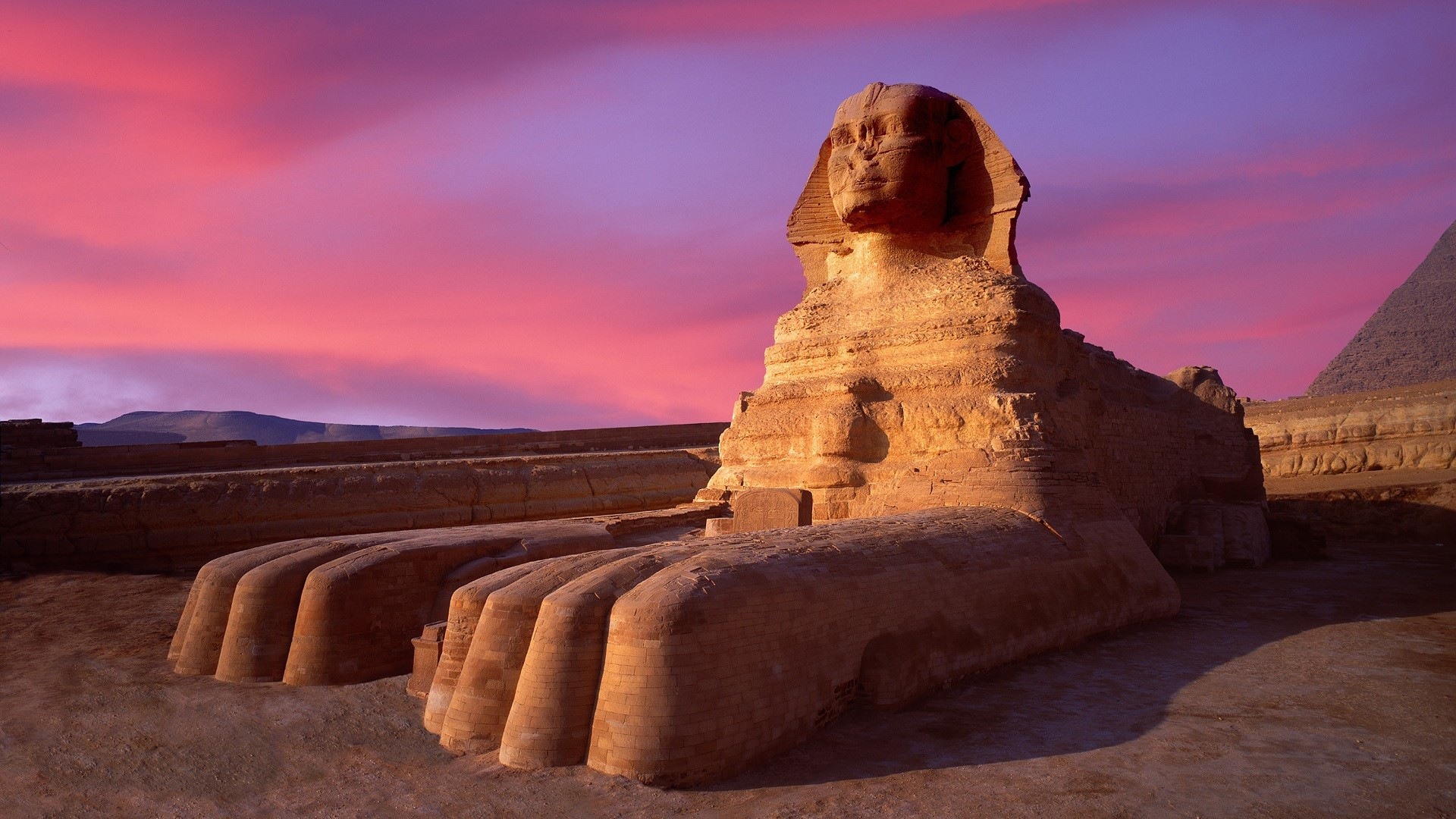
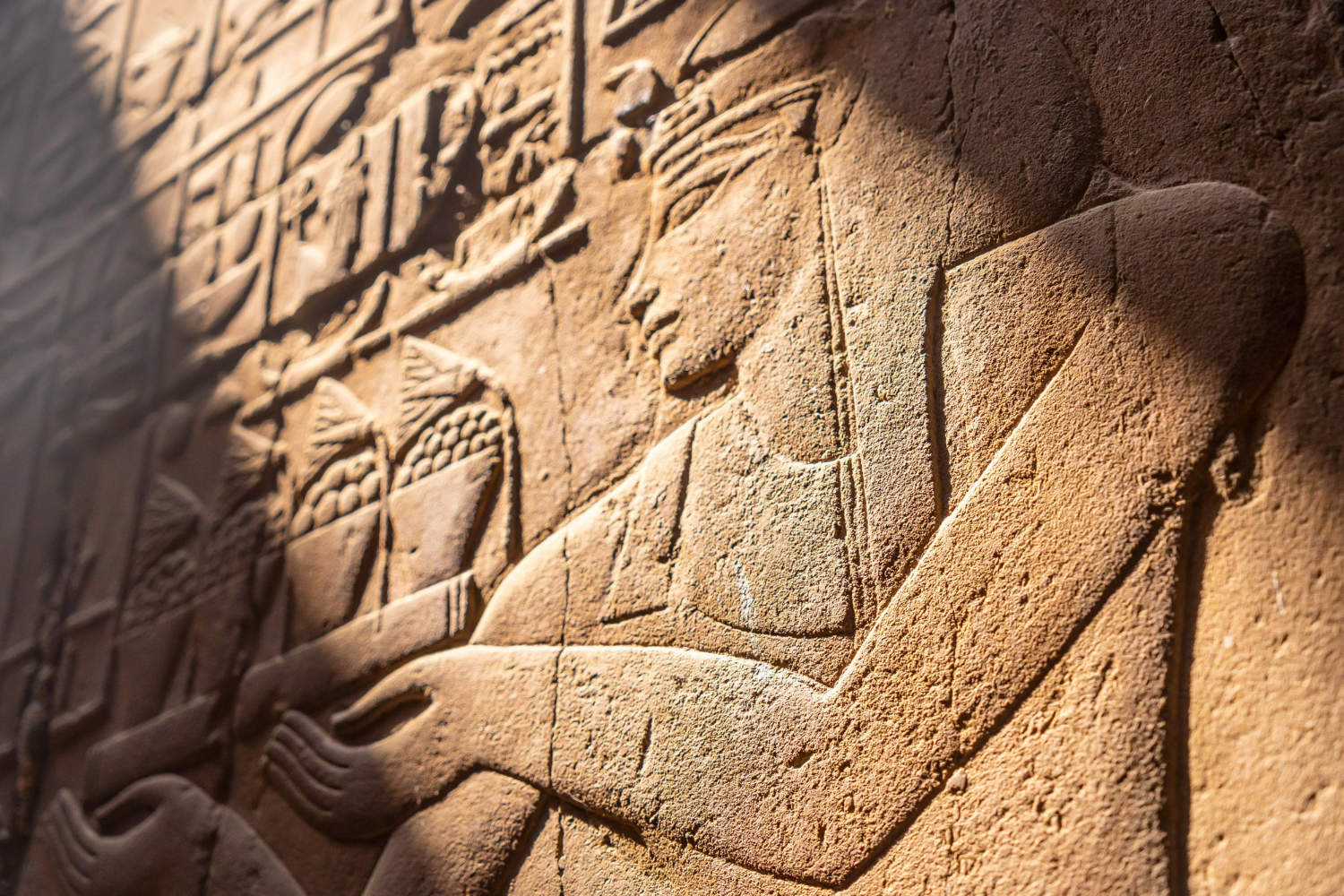
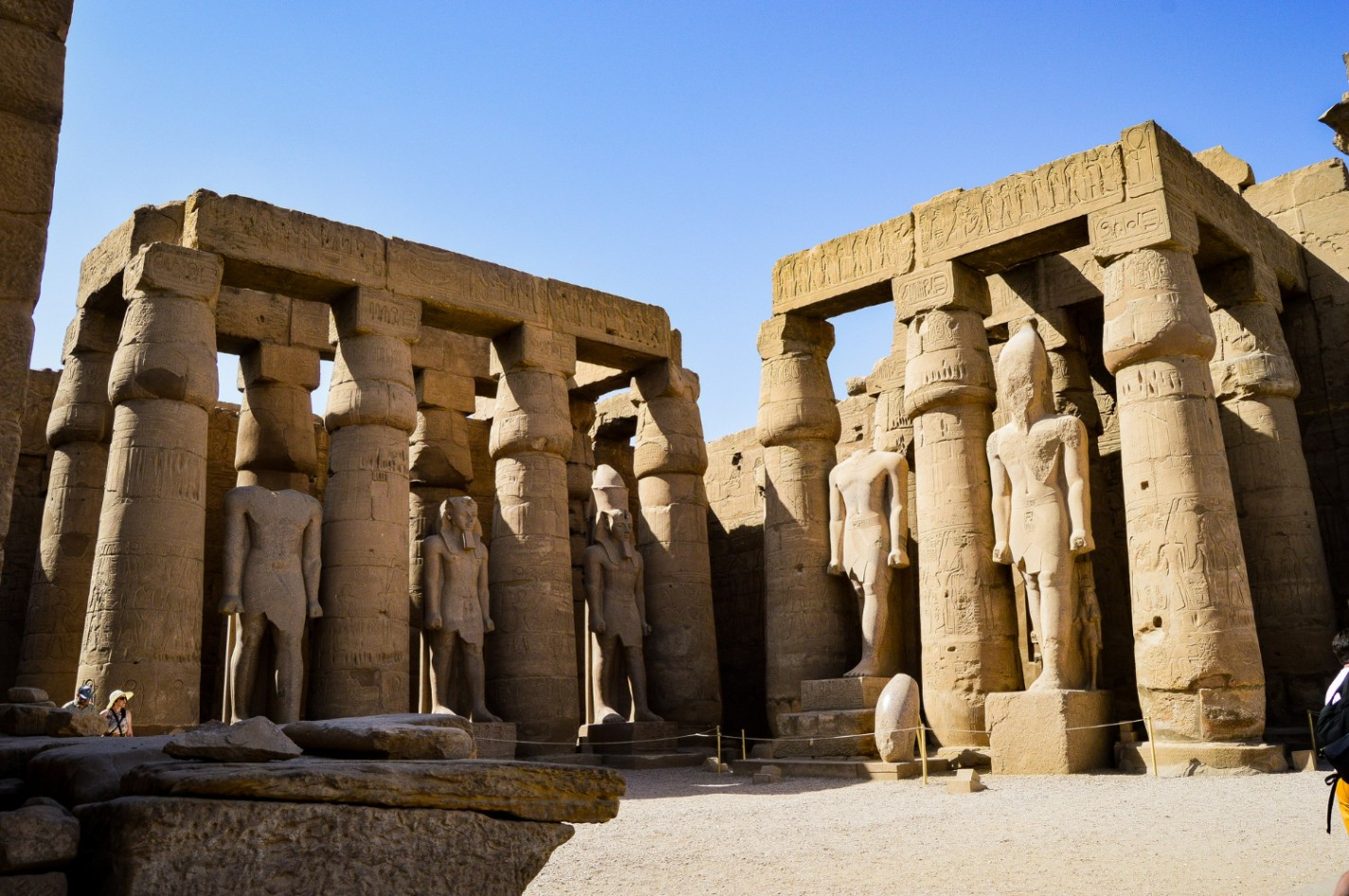
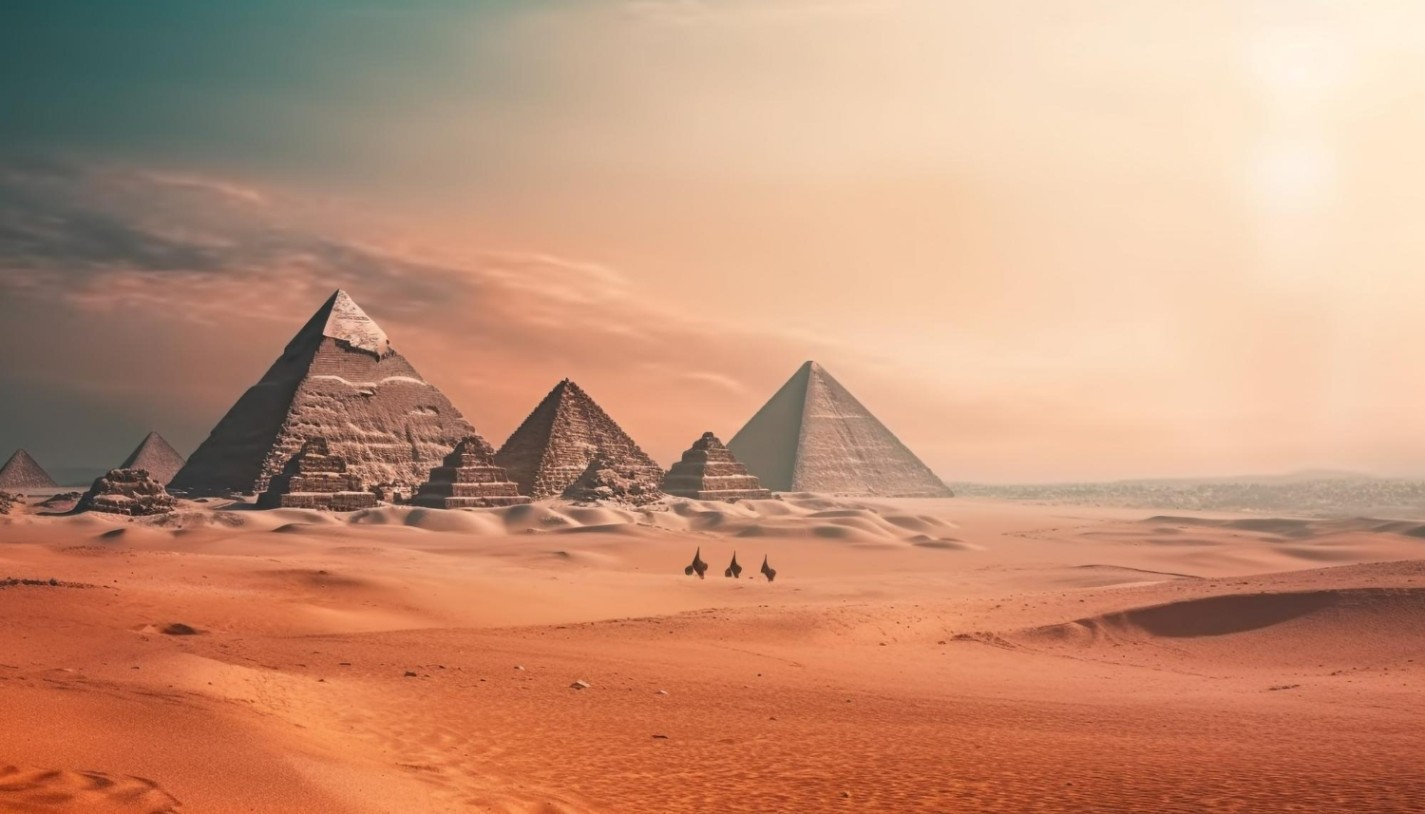
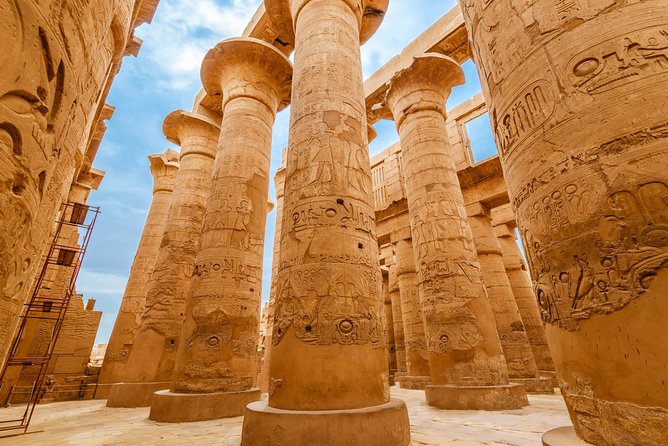
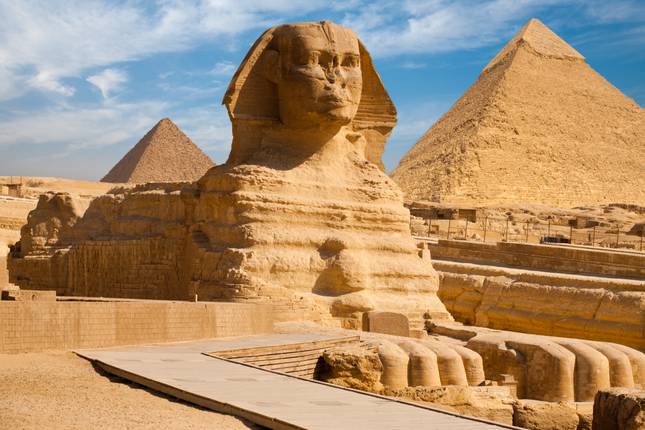
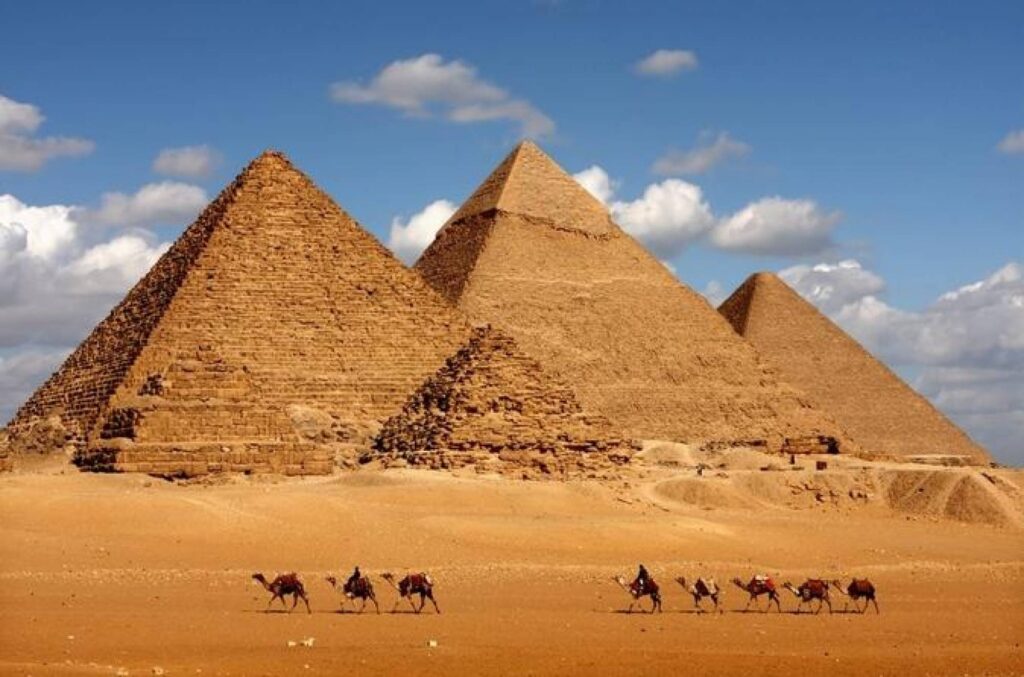
Ancient civilizations placed immense value on demonstrable achievements in warfare, governance, and cultural innovation, often linking these to divine favor. The pharaohs of Egypt sought to achieve immortality through monumental construction projects like the pyramids, intending them as testaments to their power and a gateway to the afterlife. Similarly, Roman emperors commissioned grand public works – aqueducts, roads, amphitheaters – designed to impress citizens and solidify their legacy. The construction of these lasting physical structures served as a tangible manifestation of their power and a pathway to remembered glory. These projects were not merely practical endeavors, but powerful statements of political authority and artistic ambition. The scale of these projects actively reinforced the perception of the ruler’s strength and competence across vast empires.
The Role of Military Triumph
Military conquest was a particularly potent route to glory in many ancient societies. Leaders like Alexander the Great achieved legendary status through a series of stunning victories, expanding empires and spreading Hellenistic culture. The stories of their conquests, often embellished over time, became foundational myths, inspiring generations. A successful military campaign was viewed not just as a political or strategic advantage, but as a demonstration of courage, skill, and the favor of the gods. The vanquished were often depicted as lesser beings, justifying the expansionist ambitions of the victors and reinforcing their claim to glory. Furthermore, the spoils of war – wealth, resources, and prestige – further enhanced the reputation and power of the ruling elite.
| Ancient Egypt | Monumental Construction & Divine Rule | Pyramids of Giza, Temples of Karnak |
| Roman Empire | Military Conquest & Public Works | The Colosseum, Roman Roads, Expansion of Territory |
| Ancient Greece | Philosophical Advancement & Athletic Competition | The works of Plato & Aristotle, The Olympic Games |
The concept of arete – excellence of any kind – was central to ancient Greek ideals, encompassing not just physical prowess but also intellectual and moral virtue. This holistic view of achievement meant that glory could be attained through a variety of pursuits, not solely through warfare or political power. The Olympic Games, for example, offered a prestigious platform for athletes to demonstrate their skill and earn lasting recognition.
Glory Transformed: The Renaissance and the Individual
The Renaissance witnessed a significant shift in the understanding of glory, with a growing emphasis on individual achievement and artistic creation. Whereas ancient civilizations often focused on the collective glory of the state, Renaissance thinkers and artists celebrated the unique talents and contributions of individuals. Figures like Leonardo da Vinci and Michelangelo became renowned not merely as skilled craftsmen, but as geniuses whose work transcended the ordinary. This period sparked a change from emphasizing collective achievements to celebrating individual brilliance. Patrons and rulers supported artists and thinkers, recognizing that the works they produced would enhance their own prestige and ensure their remembrance. The focus moved towards fostering creativity and innovation as a means of achieving lasting renown.
The Rise of Artistic Patronage
The patronage system played a crucial role in shaping the artistic landscape of the Renaissance. Wealthy families like the Medici in Florence actively supported artists, commissioning works that showcased their power and refined taste. This system created a symbiotic relationship, allowing artists to flourish and produce masterpieces, while providing patrons with a means of enhancing their social status and securing their legacy. The commissions themselves were often ambitious and innovative, pushing the boundaries of artistic expression and contributing to the renewed interest in classical forms. This collaborative effort amplified the potential for achieving lasting artistic glory.
- The patronage system enabled artists to dedicate themselves fully to their craft.
- It fostered a competitive environment, encouraging artists to strive for excellence.
- It resulted in a rich and diverse body of artwork that continues to inspire today.
- It solidified the connection between wealth, power, and artistic achievement.
The invention of the printing press further democratized knowledge and allowed ideas, and the reputations of their authors, to spread more widely. This burgeoning accessibility to information meant more people could engage with intellectual and artistic works, which broadened the landscape of what constituted "glory".
Glory in the Modern Era: Science, Technology, and Exploration
The modern era has introduced new avenues for achieving glory, particularly in the fields of science, technology, and exploration. Groundbreaking discoveries and innovations have propelled individuals to international prominence, often overshadowing traditional markers of status like wealth or lineage. Scientists like Albert Einstein and Marie Curie achieved enduring fame not through military conquest or political power, but through their contributions to human knowledge. Similarly, explorers like Neil Armstrong became global icons by pushing the boundaries of human exploration. The nature of glory has continued to evolve, reflecting the changing priorities and values of society. It’s no longer solely restricted to the realm of politics, warfare, or art; it now encompasses intellectual and technological achievements as well.
The Impact of Global Communication
The advent of mass media and global communication networks has dramatically amplified the reach and impact of achievements, increasing the potential for widespread recognition. News of scientific breakthroughs, technological innovations, and extraordinary feats of human endurance now travels around the world in an instant, creating opportunities for individuals and organizations to gain global acclaim. Social media platforms have further democratized access to visibility, allowing individuals to build personal brands and cultivate online communities. While this increased exposure can accelerate the path to glory, it also introduces new challenges, such as managing public perception and navigating the complexities of the digital age. This constant connectivity fundamentally changed the way an individual could achieve and maintain international recognition.
- Scientific breakthroughs now receive immediate global attention.
- Technological innovations are rapidly disseminated worldwide.
- Social media platforms provide individuals with greater control over their public image.
- The speed of information flow creates both opportunities and challenges for achieving lasting recognition.
The pursuit of space exploration, for example, continues to capture the imagination of the world, offering a new frontier for human ambition and the potential for unprecedented scientific discoveries and, of course, the promise of glory.
The Complexities and Criticisms of Seeking Glory
Despite its allure, the pursuit of glory is not without its complexities and criticisms. The relentless drive for recognition can sometimes lead to unethical behavior, such as plagiarism, fabrication of data, or exploitation of others. The desire for acclaim can also overshadow the genuine purpose of an endeavor, transforming noble goals into self-serving pursuits. Moreover, the subjective nature of glory means that what is celebrated in one context may be condemned in another. Historical figures who were once revered as heroes may later be re-evaluated in light of changing values and ethical standards. The pursuit of glory demands careful consideration of its potential consequences and a commitment to ethical conduct.
Furthermore, the transient nature of fame and the fickle nature of public opinion mean that glory is often fleeting. Individuals who achieve widespread recognition may find themselves forgotten or vilified over time. This highlights the importance of focusing on intrinsic motivations and pursuing excellence for its own sake, rather than solely for the sake of external validation. True and lasting fulfillment comes from a sense of purpose and contribution, not simply from the applause of others.
Beyond Recognition: Internal Glory and Enduring Impact
Perhaps the most profound form of glory isn’t external recognition, but an internal sense of fulfillment derived from living a life of purpose and integrity. This internal glory isn't reliant on external validation or transient fame; it’s a quiet confidence that comes from knowing one has lived authentically and made a positive impact on the world. It’s the satisfaction of overcoming challenges, pursuing passions, and contributing to something larger than oneself. Consider the dedication of medical professionals tirelessly working to save lives, or educators patiently nurturing the minds of future generations – their impact may not always be celebrated with grand accolades, but it leaves an undeniable and lasting impression.
This notion of enduring impact – the ripple effect of positive contributions – may ultimately be a more meaningful measure of glory than fleeting notoriety. The enduring legacy of individuals like Nelson Mandela or Mother Teresa isn’t solely based on the awards they received, but on the profound and lasting change they brought about in the lives of others. By shifting our focus from the pursuit of recognition to the pursuit of meaningful contribution, we can cultivate a sense of inner glory that transcends the limitations of time and external validation, building a legacy that truly endures.