















.png?width=800&height=500&name=1280x720_1_030623%20(2).png)
Understanding OFAC Sanctions on Cuba: Implications and Legal Framework
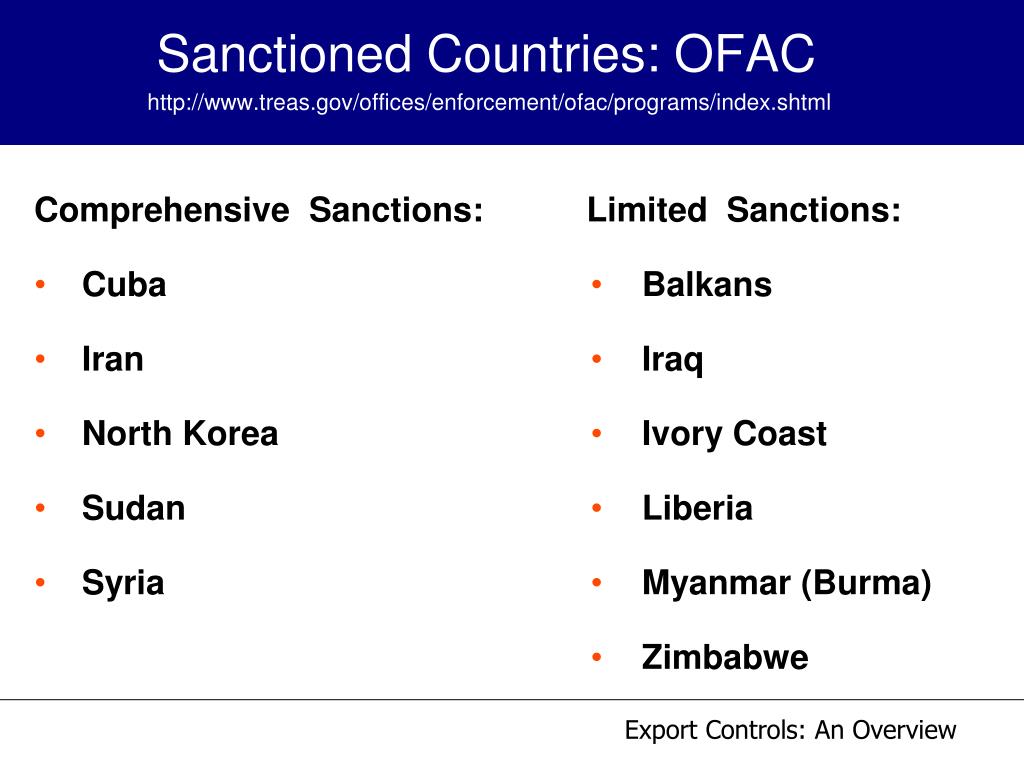
The Office of Foreign Assets Control (OFAC) has maintained a long-standing set of sanctions against Cuba, which have shaped the economic and political landscape of the island nation for decades. In this article, we will explore the history, current status, and implications of these sanctions, as well as their effect on both Cuba and international relations. For detailed rules on OFAC sanctions, you can refer to this resource: OFAC sanctions Cuba https://foodtrucklady.com/pages/?ofac-sanctions-on-cuba-rules.html.
Historical Context
The roots of OFAC sanctions on Cuba can be traced back to the early 1960s, following the Cuban Revolution and the establishment of a communist regime under Fidel Castro. The United States, concerned about the spread of communism and the nationalization of U.S. businesses in Cuba, swiftly imposed a trade embargo in 1960. This embargo was later fortified in 1962 after the Cuban Missile Crisis, marking the beginning of a comprehensive sanctions regime aimed at isolating Cuba economically and diplomatically.
Types of Sanctions
The OFAC regulations concerning Cuba are vast and multifaceted, encompassing various types of sanctions. These include:
- Trade Restrictions: The trade embargo prohibits the import and export of goods between the U.S. and Cuba, with certain exceptions for humanitarian aid and agricultural products.
- Financial Sanctions: U.S. financial institutions are banned from providing services to Cuban entities, effectively cutting off Cuba from international banking systems.
- Travel Restrictions: U.S. citizens face significant restrictions on travel to Cuba, although some categories of travel, such as family visits, educational activities, and certain types of cultural exchanges, are permitted.
- Investment Limitations: U.S. companies are largely prohibited from investing in Cuban businesses, limiting economic development opportunities.
Impact on Cuba
The impact of OFAC sanctions on Cuba has been profound. Economically, the sanctions have led to scarcity of goods and stunted economic growth, forcing Cuba to rely heavily on support from allied countries like Venezuela and Russia. The restrictions have also resulted in limited access to medical supplies, technology, and consumer goods, adversely affecting the Cuban populace.
Political Ramifications
Politically, the sanctions have reinforced the Cuban government’s narrative of external threats, thereby consolidating support for the regime. The embargo has been a rallying point for nationalist sentiment, and the Cuban government has consistently criticized the U.S. for its stance, portraying it as an act of aggression and imperialism. This has hindered efforts for diplomatic normalization between the two nations despite occasional thawing relations, such as the Obama-era policies aimed at easing restrictions.
Current Developments
As of late 2023, the situation regarding OFAC sanctions on Cuba remains complicated. The Biden administration has signaled a potential interest in revisiting Cuba policy, especially in light of humanitarian concerns exacerbated by the COVID-19 pandemic. However, the political landscape in the U.S. continues to heavily influence the direction of these policies, with various lawmakers and interest groups advocating for either a tightening or lifting of sanctions.
International Reactions
Internationally, the U.S. sanctions on Cuba have garnered mixed responses. Many countries in Latin America and Europe have criticized the embargo, labeling it as an outdated policy that violates human rights and hampers economic development. The United Nations General Assembly has repeatedly voted to condemn the U.S. sanctions, viewing them as a barrier to Cuba’s progress. Yet, the U.S. maintains that the sanctions are necessary to promote democracy and human rights in Cuba.
Legal Framework
The legal foundation of the OFAC sanctions is derived from various laws, including the Trading with the Enemy Act (TWEA) and the Cuban Democracy Act. Changes to the sanctions regime require a complex interplay of executive action and congressional approval, which complicates the implementation of any significant shifts in policy.
Future Prospects
The future of OFAC sanctions on Cuba is uncertain. Factors such as domestic political considerations within the U.S., the ongoing humanitarian situation in Cuba, and broader geopolitical dynamics will play crucial roles in shaping policy. Moving forward, it remains to be seen whether there will be a concerted effort to alleviate the restrictions or whether the status quo will persist, maintaining the economic hardships faced by the Cuban people.
Conclusion
In conclusion, OFAC sanctions on Cuba are a complex and multifaceted issue that significantly impacts both the island’s residents and U.S.-Cuba relations. Understanding the history, regulations, and implications of these sanctions is essential for anyone interested in international relations and the future of Cuba. As discussions surrounding the sanctions continue, the importance of balancing humanitarian considerations with political and security concerns remains a key challenge for policymakers.