








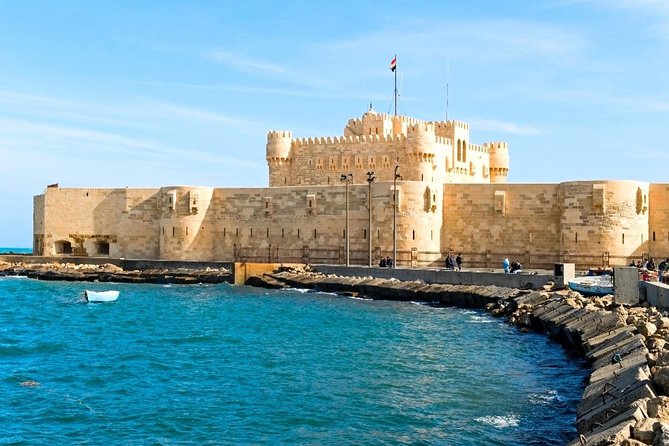



- Genuine stories spanning diverse cultures through vida vegas experiences today
- Unveiling Hidden Gems: The Power of Local Expertise
- The Role of Storytelling in Cultural Immersion
- Building Bridges: The Impact of Responsible Tourism
- Choosing Ethically Sourced Experiences
- Navigating Cultural Nuances: A Guide to Respectful Interaction
- Understanding Non-Verbal Communication
- The Transformative Power of Solo Travel
- Expanding Horizons: The Future of Experiential Travel
Genuine stories spanning diverse cultures through vida vegas experiences today
The allure of travel lies in the stories we collect, the perspectives we gain, and the connections we forge with cultures distinct from our own. Today, a growing number of individuals are seeking authentic experiences that move beyond typical tourist trails, and platforms like vida vegas are facilitating this shift. These platforms aren't merely booking engines; they are portals to immersive journeys, crafted to resonate with a desire for understanding and genuine human interaction. The digital age has fundamentally changed how we approach exploration, allowing for personalized itineraries and a deeper dive into the heart of destinations.
The modern traveler isn’t simply interested in ticking off landmarks, but in truly experiencing the essence of a place. This involves engaging with local communities, savoring regional cuisine, and understanding the historical and social contexts that shape a culture. A focus on responsible tourism is also gaining momentum, with travelers increasingly seeking to minimize their environmental impact and contribute positively to the communities they visit. The narratives shared through experiences like those offered via vida vegas resonate deeply with this evolving travel landscape, emphasizing connection and authenticity.
Unveiling Hidden Gems: The Power of Local Expertise
One of the most significant advantages of utilizing platforms that prioritize local connections is the ability to access hidden gems – those off-the-beaten-path destinations and experiences that guidebooks often overlook. These aren’t necessarily famous monuments or well-trodden tourist routes; instead, they represent the authentic fabric of a region, revealed through the eyes of those who call it home. This can range from a family-run cooking class in Tuscany to a guided hike through the Andean foothills with a local indigenous expert. The value lies in the intimacy and authenticity of these interactions, providing a layer of understanding that mass tourism simply cannot replicate. It’s about moving beyond the surface level and truly grasping the character of a place.
The Role of Storytelling in Cultural Immersion
The power of storytelling is fundamental to cultural immersion. Local guides aren't merely providing information; they are sharing narratives, traditions, and perspectives that have been passed down through generations. These stories breathe life into a destination, transforming it from a collection of sights into a living, breathing entity. A well-told story can illuminate the historical significance of a site, explain the cultural importance of a ritual, or simply offer a glimpse into the everyday lives of the people who inhabit a place. Platforms that prioritize the human element of travel recognize the importance of these narratives and actively facilitate their sharing.
| Destination | Local Experience | Estimated Cost (USD) | Duration |
|---|---|---|---|
| Morocco | Traditional Berber Cooking Class | $75 | 3 Hours |
| Vietnam | Motorbike Tour of Hanoi's Old Quarter | $50 | 4 Hours |
| Peru | Textile Workshop with Indigenous Artisans | $100 | 6 Hours |
| Italy | Wine Tasting at a Family-Owned Vineyard | $80 | 4 Hours |
The table above provides a mere snapshot of the diverse range of local experiences available. Each represents an opportunity to connect with a culture on a deeper level, fostering understanding and appreciation. These experiences often offer a more enriching and memorable alternative to traditional tourist activities.
Building Bridges: The Impact of Responsible Tourism
Responsible tourism is no longer a niche trend but an increasingly mainstream expectation. Travelers are becoming more aware of the social and environmental impact of their choices and are actively seeking ways to minimize harm and contribute positively to the communities they visit. This involves supporting local businesses, respecting cultural norms, and minimizing their environmental footprint. Platforms that champion responsible practices play a crucial role in connecting travelers with ethical and sustainable options. The concept extends beyond simply avoiding harmful practices; it's about actively seeking opportunities to make a positive difference.
Choosing Ethically Sourced Experiences
When selecting travel experiences, it’s important to consider the ethical implications. Are local guides and artisans being fairly compensated? Are the experiences designed to respect local cultures and traditions? Is the environmental impact being minimized? Asking these questions can help travelers make informed choices that align with their values. Look for platforms that prioritize transparency and provide information about the sustainability practices of the experiences they offer. Supporting businesses that are committed to responsible tourism helps to create a more equitable and sustainable travel ecosystem. This also strengthens local economies and preserves cultural heritage for future generations.
- Support locally owned businesses and restaurants.
- Respect local customs and traditions.
- Minimize your environmental impact by reducing waste and conserving resources.
- Seek out experiences that benefit the local community.
- Learn a few basic phrases in the local language.
These simple steps can collectively make a significant difference, ensuring that travel benefits both the traveler and the destination. The goal is to leave a positive impact, fostering mutual understanding and respect.
Navigating Cultural Nuances: A Guide to Respectful Interaction
Traveling to a foreign country often involves encountering cultural norms and expectations that differ from one’s own. Navigating these nuances with respect and sensitivity is crucial for building positive relationships and avoiding misunderstandings. Simple gestures, such as learning a few basic phrases in the local language or dressing modestly, can go a long way in demonstrating respect. It’s also important to be aware of local customs regarding personal space, eye contact, and greetings. A little research beforehand can help travelers prepare for these cultural differences and navigate them with grace.
Understanding Non-Verbal Communication
Non-verbal communication varies significantly across cultures. What is considered polite in one culture may be considered rude in another. For example, direct eye contact is often considered a sign of respect in Western cultures, but it may be seen as challenging or aggressive in some Asian cultures. Similarly, the acceptable level of physical touch varies widely. Being mindful of these non-verbal cues can help travelers avoid unintentional offense and build rapport with locals. Observing how locals interact with each other is a valuable way to learn these subtle nuances.
- Research local customs and etiquette before you travel.
- Learn a few basic phrases in the local language.
- Be mindful of your non-verbal communication.
- Show respect for local traditions and beliefs.
- Be open-minded and adaptable.
By embracing these principles, travelers can foster meaningful connections and enrich their travel experiences. Cultural sensitivity is not simply about avoiding offense; it’s about demonstrating genuine respect and appreciation for the diversity of human experience.
The Transformative Power of Solo Travel
Solo travel is experiencing a surge in popularity, driven by a desire for self-discovery and independence. Traveling alone provides an opportunity to step outside of one’s comfort zone, challenge personal limits, and forge a deeper connection with oneself. It forces individuals to rely on their own resourcefulness and adaptability, fostering resilience and self-confidence. Solo travel also opens doors to unexpected encounters and spontaneous adventures, as there is no need to compromise or cater to the preferences of others. It’s a chance to truly immerse oneself in a new environment and experience it on one’s own terms. Platforms designed to connect travelers with local experiences facilitate safe and meaningful solo explorations.
Expanding Horizons: The Future of Experiential Travel
The future of travel is undoubtedly experiential, with a growing emphasis on authentic connections, responsible practices, and personalized itineraries. Technology will continue to play a vital role, enabling travelers to access a wealth of information and connect with local communities with ease. We'll see continued growth in niche travel experiences catering to specific interests, such as culinary tourism, adventure travel, and wellness retreats. The demand for immersive cultural experiences that go beyond superficial sightseeing will only increase, driving the development of innovative platforms and offerings. Furthermore, a focus on regenerative tourism—going beyond sustainability to actively restore and improve destinations—will shape the industry's path forward. The legacy of vida vegas and similar initiatives will be to inspire a generation of travelers who are not just tourists, but active participants in a more meaningful and sustainable world.