















- Vibrant evenings showcase a lucky star, inspiring dreams and fostering connection among friends
- The Historical and Cultural Significance of Celestial Fortune
- The Evolution of Astrological Beliefs
- The Psychology of Hope and the Placebo Effect
- The Role of Cognitive Biases
- The ‘Lucky Star’ as a Metaphor for Personal Potential
- Developing a Growth Mindset
- The Connection Between Friendship and Shared Fortunes
- Beyond Superstition: Cultivating a Life of Purpose
Vibrant evenings showcase a lucky star, inspiring dreams and fostering connection among friends
The allure of a twinkling night sky has captivated humanity for millennia, and within that vast expanse, the concept of a lucky star holds a special place in our collective imagination. It represents hope, destiny, and the belief that even in the darkest of times, there is a guiding light watching over us. This fascination isn't merely poetic; it’s woven into the fabric of numerous cultures, appearing in mythology, astrology, and everyday expressions of good fortune. The idea of a benevolent celestial body influencing our lives provides comfort and a sense of connection to something larger than ourselves.
Across different societies, the interpretation of what constitutes a ‘lucky star’ varies considerably. For some, it's a specific constellation or planet believed to align favorably with their birth chart, dictating personality traits and life events. For others, it’s a more abstract notion – a singular point of brilliance that signifies a moment of serendipity, a fortunate turn of events, or the realization of a long-held dream. Regardless of the specific belief, the core sentiment remains consistent: the universe offers opportunities, and recognizing those moments of grace is key to a fulfilling life. The symbolism extends beyond personal fortune, often intertwined with wishes, aspirations, and the power of positive thinking.
The Historical and Cultural Significance of Celestial Fortune
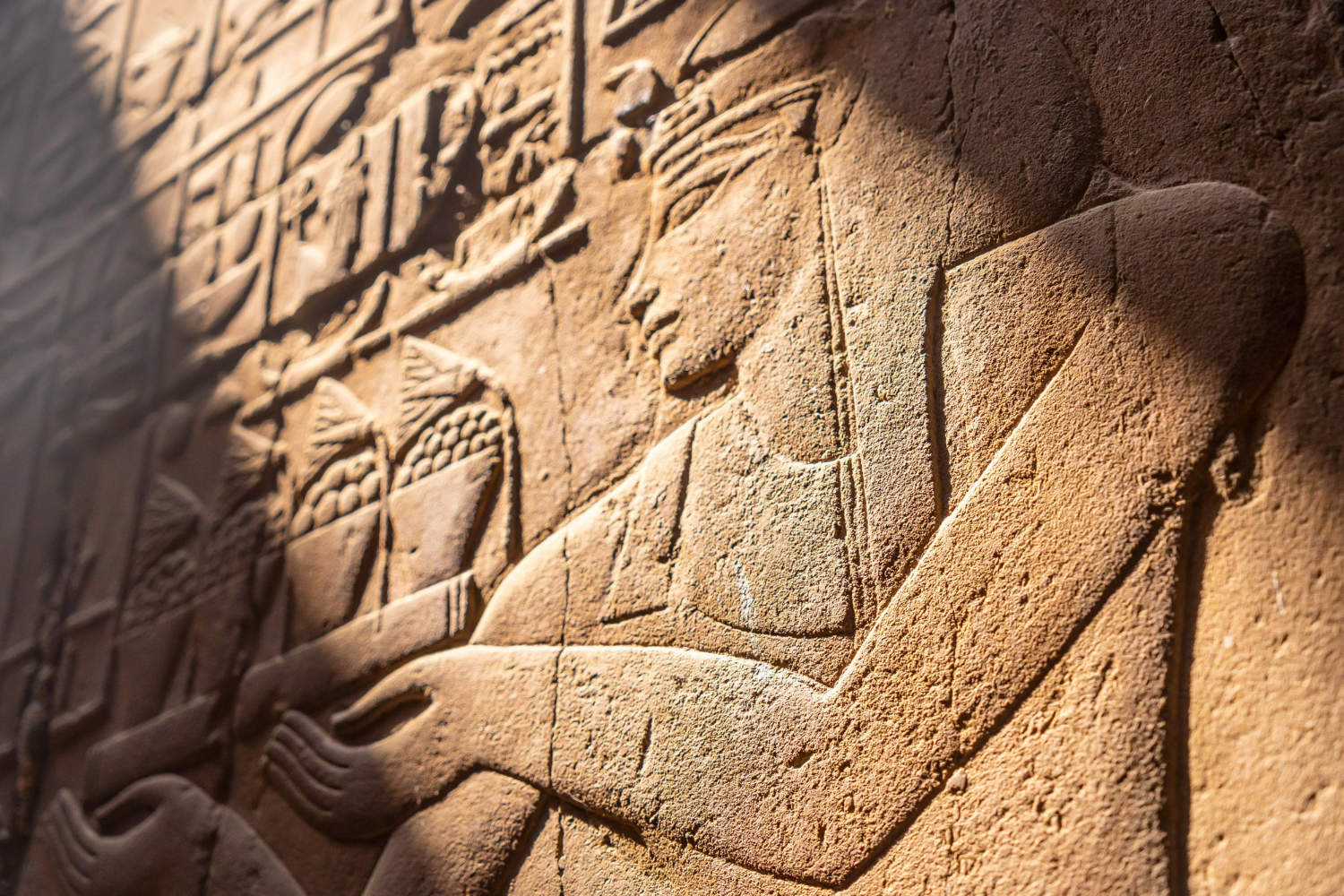
Throughout history, humans have looked to the stars for guidance and meaning. Ancient civilizations, particularly in Mesopotamia and Egypt, developed sophisticated systems of astronomy and astrology, believing that the positions of celestial bodies directly influenced earthly affairs. The Babylonians, renowned for their meticulous astronomical observations, tracked the movements of planets and stars, associating them with gods and goddesses, and predicting future events based on their configurations. This practice was not simply about forecasting; it was deeply integrated with religious beliefs and political power. Kings and emperors consulted astrologers before making major decisions, hoping to ensure a favorable outcome. These early interpretations formed the foundations for much of the astrological tradition that continues to exist today. The notion of a 'lucky star' as a harbinger of good fortune was prevalent, often linked to specific deities or constellations associated with prosperity and success.
The Evolution of Astrological Beliefs
As knowledge of astronomy advanced, so too did the complexities of astrological beliefs. The Greeks adopted and refined Babylonian astronomy, incorporating it into their own philosophical and religious frameworks. They identified twelve zodiac signs, each associated with a specific constellation and a set of personality traits. The concept of the 'natal chart' – a map of the positions of the planets and stars at the time of a person's birth – became central to astrological practice. This allowed astrologers to create personalized interpretations, predicting individual destinies and offering guidance on matters of love, career, and health. Moreover, the idea of 'fortunate stars' and 'malefic stars' became more established, with certain celestial bodies considered inherently benevolent or harmful. This intricate system of belief, though often dismissed as pseudoscience, served as a source of comfort, meaning, and social cohesion for countless individuals across centuries.
| Aries | Courage, energy, impulsiveness |
| Taurus | Reliability, patience, practicality |
| Gemini | Adaptability, communication, intellect |
| Cancer | Sensitivity, nurturing, intuition |
The enduring appeal of astrology highlights a fundamental human need to find patterns and meaning in the chaos of life. While scientific understanding of the universe has drastically increased, the desire to believe in a guiding force – whether it be a lucky star or a more abstract sense of fate – persists as a prominent element of the human experience.
The Psychology of Hope and the Placebo Effect
The belief in a lucky star, or any form of good luck charm, is deeply rooted in the psychological need for hope and control. When faced with uncertainty or adversity, humans often seek ways to exert a sense of influence over their circumstances. This can manifest in various forms, from carrying a lucky object to engaging in superstitious rituals. These practices, while not logically sound, can provide a psychological boost, reducing anxiety and fostering a more optimistic outlook. The power of belief is a significant factor, and even the expectation of good luck can lead to positive behavioral changes, increasing motivation and resilience. It’s a testament to the mind’s ability to shape reality, at least in terms of our own internal experience. Moreover, the act of seeking luck can be a form of self-care, providing a sense of agency and purpose in challenging times.
The Role of Cognitive Biases
Several cognitive biases contribute to the perpetuation of belief in luck and fortune. Confirmation bias, for instance, leads us to selectively focus on instances that confirm our existing beliefs, while ignoring evidence to the contrary. If someone believes they are lucky, they are more likely to remember and emphasize positive outcomes, attributing them to their good fortune, while dismissing negative experiences as mere flukes or exceptions to the rule. The illusion of control is another powerful bias, leading us to overestimate our ability to influence events that are largely determined by chance. This can explain why people continue to gamble or engage in superstitious behaviors, even when faced with repeated losses. Furthermore, the narrative fallacy encourages us to create coherent stories to explain random events, often attributing them to intentional forces or divine intervention. These biases highlight the inherent limitations of human reasoning and the tendency to seek patterns even where none exist.
- Hope fosters resilience in the face of adversity.
- Belief in luck can reduce anxiety and stress.
- Positive expectations can influence behavior.
- Superstitions provide a sense of control.
Understanding these psychological mechanisms doesn't diminish the value of hope or the comfort that can be derived from believing in a lucky star. Rather, it provides a deeper insight into the complex interplay between the mind, belief, and well-being.
The ‘Lucky Star’ as a Metaphor for Personal Potential
Beyond its historical and psychological dimensions, the concept of a lucky star can be powerfully interpreted as a metaphor for inherent personal potential. Instead of viewing luck as an external force, we can reframe it as the recognition and cultivation of our unique talents and abilities. Just as a star shines brightest when allowed to fully express its energy, individuals thrive when they are given the opportunity to pursue their passions and develop their skills. This perspective shifts the focus from passive waiting for good fortune to proactive self-improvement. It acknowledges that success isn’t solely determined by chance, but rather by hard work, dedication, and a willingness to embrace challenges. The ‘lucky star’ then becomes a symbol of untapped potential waiting to be discovered and nurtured.
Developing a Growth Mindset
Cultivating a growth mindset – the belief that abilities are not fixed but can be developed through dedication and hard work – is crucial for unlocking one’s personal ‘lucky star.’ This mindset encourages individuals to embrace challenges as opportunities for growth, to learn from failures, and to persist in the face of setbacks. It fosters a sense of agency and control, empowering people to take ownership of their lives and actively shape their futures. Furthermore, a growth mindset promotes resilience and adaptability, enabling individuals to thrive in a constantly changing world. By focusing on effort and learning, rather than innate talent or external luck, we can transform obstacles into stepping stones and maximize our potential for success and fulfillment. This internal shift in perspective is often more potent and enduring than any external talisman or superstitious ritual.
- Identify your core strengths and passions.
- Set challenging but achievable goals.
- Embrace failure as a learning opportunity.
- Cultivate a growth mindset.
- Surround yourself with supportive individuals.
Ultimately, harnessing one’s ‘lucky star’ is about recognizing and celebrating the unique spark within, and dedicating oneself to the pursuit of personal excellence.
The Connection Between Friendship and Shared Fortunes
The notion of a lucky star is often intertwined with the importance of human connection, especially the bonds of friendship. Sharing moments of joy and success with loved ones amplifies their impact, transforming good fortune into shared experiences. True friends celebrate each other’s triumphs, offer support during difficult times, and provide a sense of belonging and validation. The presence of supportive relationships can significantly enhance one’s resilience and well-being, making it easier to navigate life’s challenges and seize opportunities. In essence, having a strong network of friends can be a powerful catalyst for attracting and appreciating good fortune.
Beyond Superstition: Cultivating a Life of Purpose
While the belief in a lucky star can offer comfort and hope, it’s important to move beyond mere superstition and focus on cultivating a life of purpose and meaning. This involves identifying one’s values, setting meaningful goals, and dedicating oneself to pursuits that are aligned with those values. A life lived with intention is inherently more fulfilling, regardless of external circumstances. It’s about finding joy in the process of growth and contribution, rather than fixating on outcomes. This perspective shifts the emphasis from passively waiting for luck to actively creating opportunities and making a positive impact on the world. By focusing on what we can control – our actions, attitudes, and relationships – we can empower ourselves to live a life filled with purpose, passion, and genuine fulfillment. The true 'lucky star' isn’t a celestial object, but rather the radiant energy that emanates from a life well-lived.
This approach acknowledges that challenges are inevitable, but they also present opportunities for learning and growth. By embracing a proactive and purposeful mindset, we can transform obstacles into stepping stones, and create a life that is both meaningful and rewarding. It’s a journey of self-discovery and continuous improvement, guided not by fate, but by our own values and aspirations. It is by actively shaping our world, rather than waiting for a stroke of luck, that we truly shine.