Top Online Casino Games You Can Play Right Now
A player sits at home, taps a screen, and instantly joins a live blackjack table streamed from a studio. Online casino games are digital versions of classic gambling activities like slots, poker, and roulette, accessible through a web browser or dedicated app. They work using a random number generator to ensure each spin or card dealt is independent, giving you the same odds as a physical casino floor. The core benefit is convenience, allowing you to play your favorite games from anywhere at any time without waiting for a seat.
Mastering the Digital Felt: A Strategy Guide for Virtual Tables
He had lost count of the blinds, folding weak hands against the digital dealer’s shuffle. Then he cracked open Mastering the Digital Felt: A Strategy Guide for Virtual Tables, and the screen became a different game. It taught him to read betting patterns in the chat box, to exploit the auto-fold timer of distracted opponents.
The guide’s core insight: virtual tables amplify tells—a two-second hesitation before a river call signals a bluff, not a pause.
He now studies RNG rhythm, adjusts his pre-flop ranges based on table speed, and uses position aggressively in turbo tournaments. The felt feels real when you know the code beneath it.
Reading the Table: How to Choose a Reputable Gaming Platform
Reading the table starts with vetting the platform itself. Look for clear, instant-access payout histories and transparent game return rates posted directly on the site. A reputable table will show you the software provider’s logo and the round’s exact shuffle or deal timing. Software integrity verification is your first read: check if third-party testing seals are visible. Compare withdrawal speed caps and minimum bet limits side-by-side before committing cash.
| Red Flag | Green Light |
| Hidden game rules | Rulebook linked at the table |
| Delayed cashouts | 24-hour withdrawal window |
| No provider logos | Known developer listed |
Bankroll Blueprints: Setting Limits and Sticking to Them
A disciplined bankroll blueprint begins with pre-session loss limits, typically capping each session at 5% of your total roll. Divide your bankroll into smaller units, never exceeding 2% of your total per single bet. Automate these boundaries using platform tools to enforce stop-losses and win caps. Leaving after hitting a 20% profit target protects against the psychological trap of escalating stakes.
- Set a daily loss limit before logging in and honor it without exception.
- Use session timers to prevent time-based erosion of your bankroll.
- Stick to a fixed bet unit size, adjusting only after a scheduled bankroll review.
- Reset your budget weekly, not after a win or loss streak, to maintain structural consistency.
Psychological Edge: Staying Disciplined When Luck Turns

When the cards run cold, your psychological edge is tested not by your strategy, but by your restraint. Emotional detachment during downswings prevents chasing losses with irrational bets; disciplined players set a loss limit before logging in and step away the moment it hits. The true measure of skill emerges when you fold a marginal hand you know you’d normally raise. Keeping a session timer visible breaks the trance of tilt, letting logic override impulse. A cold streak is not a signal to double down—it is a cue to log off.
Staying disciplined when luck turns means treating bad beats as expected variance, not personal failures—your edge is preserved by walking away, not fighting the draw.
Navigating the Slot Matrix: From Classic Reels to Modern Video Action
The moment you enter the Navigating the Slot Matrix: From Classic Reels to Modern Video Action, the experience shifts from simple pulls to a layered story. You start with traditional one-armed bandits, where the rhythm of cherries, bars, and sevens creates a familiar trance. As you move deeper, the interface transforms into five-reel cinematic journeys. Here, you are no longer just spinning; you are triggering cascading reels, expanding wilds, and interactive bonus rounds that feel like mini-levels. The core challenge becomes reading volatility within this matrix—choosing between the steady drip of a low-variance classic or the high-stakes, multi-path adventure of modern video slots. Your finger hovers between the past’s mechanical grit and a future filled with dynamic narrative action, each spin a deliberate move within this vast digital grid.
Volatility vs. RTP: Decoding the Numbers Behind the Spins
RTP and volatility decode the true risk-reward profile behind every spin. A slot with a 96% RTP and low volatility offers frequent, small wins that slowly drain your bankroll, perfect for extended play. Conversely, high volatility paired with a similar RTP means brutal dry spells punctuated by massive, life-changing payouts. Chasing volatility without understanding RTP is gambling blind, as the return percentage dictates your long-term expected loss while volatility dictates the emotional ride. Use these two numbers together to select machines matching your bankroll and patience. Mastering the volatility-rtp spectrum lets you choose between a slow bleed for entertainment or a high-stakes sprint for a jackpot.
| RTP (Return to Player) | Volatility |
|---|---|
| Long-term theoretical payout percentage (e.g., 96%). | Short-term win frequency and size variance. |
| High RTP (97%+) reduces house edge over time. | Low volatility = steady, smaller wins; high = rare, large wins. |
| Does not predict individual session results. | Dictates bankroll risk per session. |
Feature Hunters: Identifying Bonus Rounds and Free Spin Triggers
Feature Hunters meticulously analyze paytables and game mechanics to isolate slots with high-trigger-frequency bonus rounds, such as free spins activated by scatter symbols. They prioritize games where volatility aligns with specific trigger thresholds, like landing three or more bonus icons, to maximize round accessibility. By evaluating bet sizes relative to minimum trigger requirements, these players optimize their bankroll for sustained hunting. Trigger identification also involves recognizing cascading reels or expanding wilds that can extend free spin sequences, ensuring every spin is a calculated step toward unlocking the slot’s core payout potential.
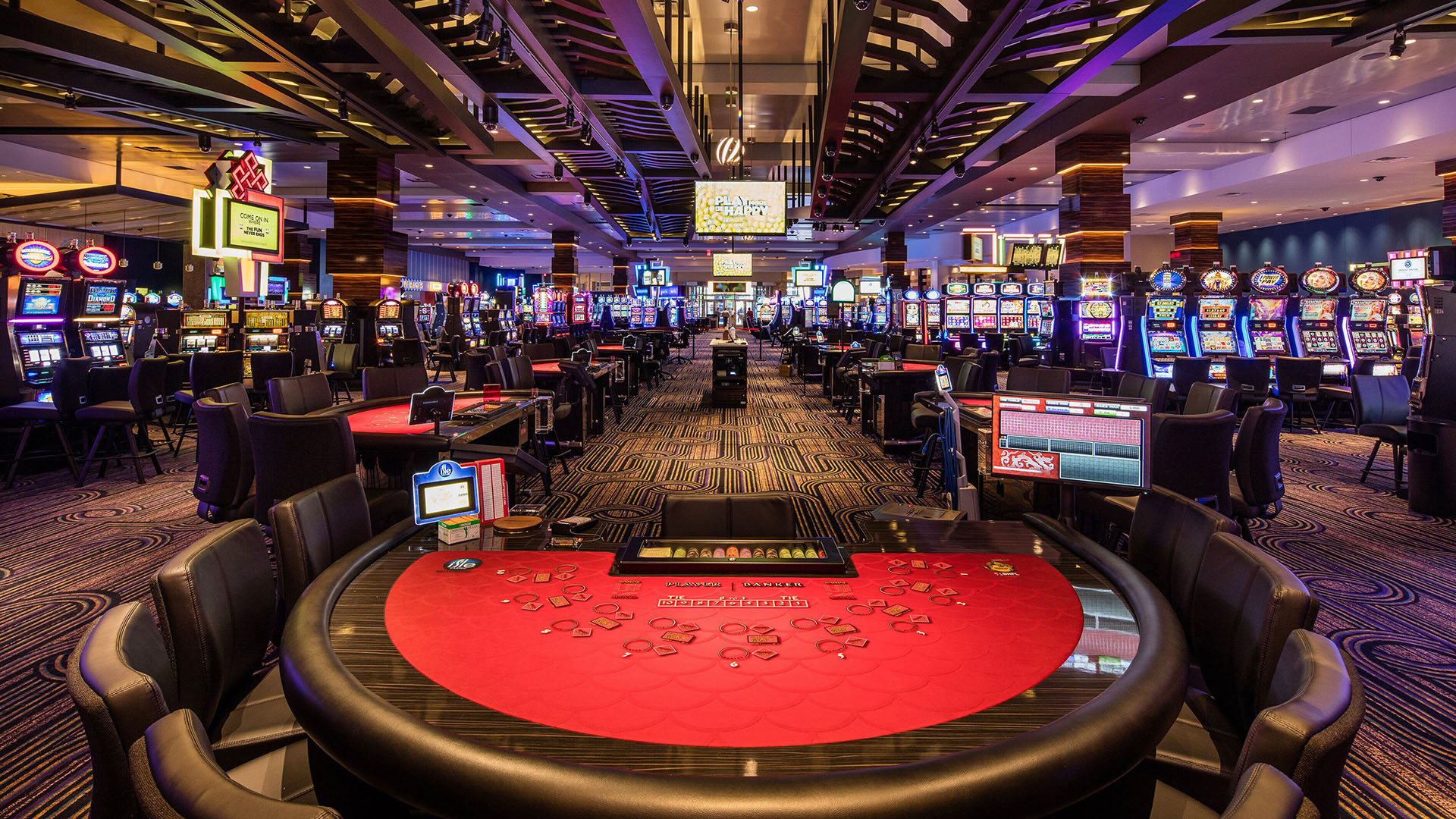
Feature Hunters target slots with clear, frequent bonus triggers—like scatters activating free spins—and use paytable analysis to time bets for maximum round unlocks without relying on luck.
Progressive Jackpots: The Allure of Shared Prize Pools
Progressive jackpots turn every spin into a shot at life-changing cash because a tiny slice of each bet feeds a shared prize pool that grows until someone wins. Unlike fixed slots, here the pot climbs across linked machines or networks, meaning the allure is pure collective momentum. To play smart, keep these steps in mind:
- Check the current jackpot size—bigger pools often mean more players have contributed.
- Always bet the minimum required for eligibility, or you might miss the top prize entirely.
- Watch for network-wide progressives, as they typically balloon faster than standalone ones.
That shared buildup is what makes each pull feel electric.
Card Room Chronicles: Blackjack, Poker, and Baccarat Strategies
For online casino players, Card Room Chronicles: Blackjack, Poker, and Baccarat Strategies serves as a tactical playbook, transforming chaotic digital tables into arenas of calculated risk. It breaks down how to exploit deck penetration in virtual blackjack, when to switch from aggressive to passive play in real-time poker blinds, and why betting on the banker in online baccarat offers the most consistent edge. Mastering pressure dynamics during rapid-fire online rounds often matters more than memorizing perfect basic strategy alone. This guide emphasizes adaptive bankroll splits across multiple browser tabs, recommending that you pivot between these games based on live streak patterns rather than sticking to a single approach. Applying its positional betting framework directly reduces house losses in the fast-paced, distraction-heavy environment of online casinos.
Blackjack Basic Strategy: When to Hit, Stand, or Double Down
In online blackjack, basic strategy dictates hitting when your hard total is 11 or lower, or when you hold a soft 17 or below against a dealer’s strong upcard (7–Ace). You stand on hard 17 or higher and on soft 18+ unless the dealer shows a 9, 10, or Ace. Double-down opportunities arise on 11 against any dealer upcard, on 10 versus 2–9, and on soft 13–16 against 4–6. Surrender is avoided except on hard 16 vs. 9, 10, or Ace. This mathematical framework minimizes the house edge.
Hit stiff hands against strong dealers, stand on pat totals, and aggressively double down when the dealer’s upcard is weak and yours is favorable.
Video Poker Nuances: Choosing Between Jacks or Better and Deuces Wild
In online video poker, the choice between Jacks or Better and Deuces Wild hinges on volatility and payout frequency. Jacks or Better requires a pair of jacks for any win, offering straightforward strategy and higher returns on premium hands like flushes and full houses. Deuces Wild transforms all twos into wild cards, drastically increasing hit frequency but lowering the value of pairs and two-pair hands. This dynamic forces players to prioritize holding wilds over high cards, fundamentally altering optimal decision-making. The latter demands a more adaptive mindset, as wilds can turn marginal draws into four-of-a-kind hands, shifting the focus toward wild card optimization rather than pair preservation.
Jacks or Better suits linear strategy and high-value pairs; Deuces Wild rewards flexibility and wild card management for frequent, lower-payout wins.
Baccarat Patterns: Betting on Player, Banker, or Tie
In baccarat, players often scrutinize historical outcomes for patterns to inform bets on Player, Banker, or Tie. While each hand is statistically independent, many track streaks like consecutive Banker wins or alternating results. Betting on Banker remains mathematically optimal due to its lower house edge, but pattern followers might chase a perceived “choppy” sequence of switches. The Tie bet, offering high payouts, is generally avoided by pattern-based systems due to its severe house advantage. Baccarat pattern recognition thus becomes a psychological tool for bet selection, not a predictive guarantee, requiring disciplined stake management regardless of observed streaks.
The Wheel and the Felt: Roulette and Craps Tactics
In online casino games, the wheel and the felt demand distinct tactical adjustments. For roulette, favor European single-zero variants to halve the house edge, and employ a sequence-based bet like the James Bond strategy, but set strict win/loss limits per session to counter rapid digital spins. In online craps, stick to pass-line bets with odds—the only wager with zero house edge on the free odds portion—and ignore risky proposition bets. The digital random number generator (RNG) means past outcomes are irrelevant, so never chase losses with progressions like Martingale. Q: Can betting systems overcome the house edge in online roulette? No, they only manage bankroll volatility, not change the RNG’s mathematical disadvantage.
Roulette Betting Systems: Martingale, Fibonacci, and D’Alembert Compared
For online roulette players seeking structured wagering, the Martingale, Fibonacci, and D’Alembert systems offer distinct risk profiles. The Martingale doubles bets after a loss, aiming to recover all losses with one win, but requires a large bankroll and high table limits. The Fibonacci follows a sequence where each bet is the sum of the previous two losses, offering a slower progression. The D’Alembert involves increasing bets by one unit after a loss and decreasing by one after a win, providing the safest bankroll management. For effective play, understand these differences:
- Martingale: Aggressive recovery; high risk of hitting limits.
- Fibonacci: Moderate progression; less volatile than Martingale.
- D’Alembert: Gradual adjustment; best for bankroll preservation.
No system overcomes the house edge, but the Fibonacci system offers the most balanced trade-off between recovery speed and financial exposure.
Craps Etiquette: Understanding Pass Line, Come Bets, and Odds
In online craps, etiquette shifts from table behavior to strategic bet selection. The Pass Line bet is the foundational wager, placed before the come-out roll, and respecting its timing—only on a fresh roll—is key. Come bets function like Pass Line bets but for subsequent rolls, and proper etiquette means adding them after the point is established to avoid disrupting the flow. Odds bets, taken behind Pass Line or Come bets, are the most player-favorable due to zero house edge; placing them correctly in the virtual betting interface signals understanding. Always ensure you’ve funded your Pass Line before the shooter rolls, and never touch Odds bets until the point is set, mirroring the logical sequence of the game.
Side Bets and Proposition Wagers: High Risk, High Reward
In online roulette and craps, side bets and proposition wagers offer extreme volatility by trading low probabilities for massive payouts. On the digital felt, a single-number “straight up” roulette bet or a craps “any seven” wager can multiply your stake many times over, but the house edge often exceeds 10%. These bets are designed for short, explosive sessions where you risk rapid bankroll depletion for a chance at a single, life-changing hit. They are not for sustained play.
What is the primary risk of proposition wagers in craps? They carry a much higher house edge than core bets like Pass Line, making them statistically unfavorable long-term even if they offer big immediate rewards.
Live Dealer Immersion: Bridging the Gap Between Virtual and Real
Live dealer immersion eliminates the sterile randomness of standard RNG play by streaming a real human croupier dealing physical cards or spinning a live wheel directly to your screen. This setup bridges the virtual and real because you can observe adjacent players placing bets in real time, hear the shuffle, and even switch camera angles to inspect the table’s integrity. The key advantage is that decision-making mirrors a brick-and-mortar experience—watch the dealer’s hand rhythm or subtle dealer tells. Q: Is the shuffle truly random in a live game? A: Yes, the deck is typically shuffled by hand and then cut by the dealer under multiple HD cameras, often with a shoe change between rounds to prevent any predictability.
Lightning and Speed Rounds: Fast-Paced Variations of Classic Titles
Lightning and Speed Rounds modify classic live dealer titles like roulette or blackjack by drastically shortening decision windows and accelerating deal cycles. In Lightning Roulette, random multipliers are applied to winning numbers, with the round resolving in under 30 seconds. Speed Blackjack deals each player’s hand without waiting for others, using a single deck and rapid draw. To play effectively:
- Pre-select your bet size and side bets before the round starts to avoid missed cuts.
- Use the interface’s “repeat bet” button to instantly mirror your last wager.
- Watch the live timer; you typically have 10–15 seconds to place chips between shuffle animations.
These variants sharpen reaction time but require unwavering attention since the dealer proceeds without pause, directly bridging the gap between virtual speed and real-dealer authenticity.
Interactive Chat: Building Rapport with Dealers and Fellow Players
The interactive chat function transforms live dealer games by enabling real-time rapport with both dealers and fellow players. To build effective connections, start by greeting the dealer by name and acknowledging their personality—this humanizes the interaction. Then, engage with other players through shared reactions to wins or losses, fostering a communal atmosphere. A key strategy is using personalized chat etiquette, such as avoiding spam and respecting the game’s pace. For a clear sequence:
- Open with a polite, brief greeting to the dealer.
- Comment on a specific hand or spin to invite player responses.
- Use emojis or quick online casinos real money phrases to acknowledge others’ outcomes.
This approach sustains engagement without disrupting gameplay.
Camera Angles and Bet Placement: Navigating the Live Studio Interface
The live studio interface integrates multiple dynamic camera angles to provide clear sightlines for bet placement. Typically, a wide shot shows the full table layout, while a dedicated close-up on the wheel or card shoe activates after the betting window closes. Your betting tiles are overlaid directly onto the video feed, and you must confirm wagers before the countdown ends. Switching between camera views—such as a pit-shot for dealer interaction or a dealer-cam for hand reveals—does not interrupt your active bets. The interface locks selections once the “no more bets” signal appears, aligning visual transitions with the precise betting cutoff.
Mobile Optimization: Playing Live Dealer Games on Smartphones and Tablets
Playing live dealer games on smartphones and tablets demands a stable, high-speed internet connection to maintain seamless video streaming and real-time interaction. Prioritize devices with strong processors and ample RAM to prevent lag during HD broadcasts. For optimal mobile optimization, responsive touch interface design is critical, enabling clear tap inputs for betting and chat functions without interface clutter. Follow this sequence for a smooth session:
- Connect to a 5G or robust Wi-Fi network to minimize latency.
- Rotate your device to landscape mode for a wider view of the dealer and table layout.
- Close background apps to allocate full resources to the live stream, ensuring no dropped frames during play.