
















The art of risk Lessons from famous gamblers
The Psychology of Gambling
Understanding the psychology behind gambling is crucial for appreciating the art of risk. Gamblers often navigate a complex emotional landscape, where the thrill of winning and the fear of losing play significant roles. Renowned gamblers like the legendary poker player Phil Ivey have demonstrated how psychological warfare can influence not only their own decisions but also those of their opponents. By mastering emotions, these gamblers can maintain composure and exploit the psychological vulnerabilities of their competition. Many players are also drawn to newest online casinos that offer innovative experiences, adding another layer to the excitement of gaming.
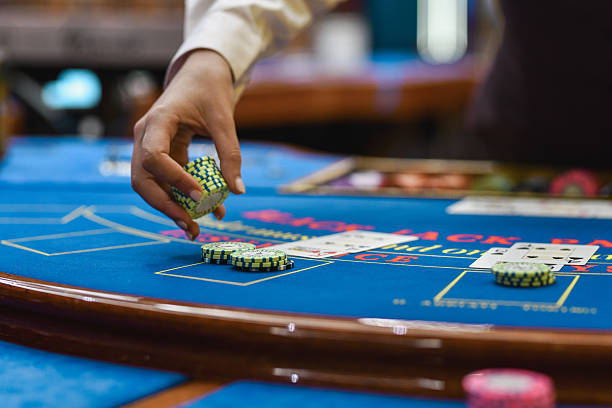
The ability to read opponents is another psychological element that influences successful gambling. For instance, high-stakes players often study their rivals’ body language and betting patterns. This observation helps them anticipate moves, allowing for strategic decisions that can lead to substantial winnings. Such an intricate understanding of human behavior showcases the blend of psychology and strategy, marking the artistry involved in high-stakes gambling.
Moreover, the concept of risk tolerance varies from one individual to another, shaping how one approaches gambling. Some players, like the infamous high roller Archie Karas, demonstrate an insatiable appetite for risk, often placing massive bets in pursuit of an even greater win. This willingness to embrace uncertainty can lead to monumental successes or catastrophic failures, illustrating the delicate balance between risk and reward that defines the gambling experience.
Famous High Rollers and Their Strategies
High rollers, often considered the elite gamblers, have unique strategies that set them apart from casual players. The story of the late casino mogul Steve Wynn illustrates how strategic risk-taking can yield immense rewards. Known for his visionary approach to the casino industry, Wynn often took calculated risks, betting on the future of Las Vegas when others were skeptical. His philosophy was rooted in the belief that strategic investments in high-end amenities would attract wealthy gamblers.
Another iconic figure is Don Johnson, who became famous for his remarkable success in blackjack. Johnson was known for negotiating favorable terms with casinos, allowing him to gain an edge over the house. His strategic play involved exploiting specific casino rules and capitalizing on his knowledge of the game. His ability to blend negotiation skills with gameplay exemplifies how successful gamblers think beyond just the cards in their hands.
Additionally, the legendary gambler Kerry Packer highlights the significance of guts and instinct. Packer, an Australian media tycoon, was known for placing enormous bets without fear. His high-risk approach often led to incredible wins, but it also demonstrated the potential downsides of reckless gambling. Packer’s story serves as a reminder that while risk can lead to exceptional outcomes, it can also be perilous if not managed wisely.
The Role of Luck in Gambling
Luck undeniably plays a significant role in gambling, often blurring the lines between skill and chance. Many famous gamblers, including the brilliant mathematician Edward O. Thorp, have acknowledged the role luck plays in their success. Thorp revolutionized blackjack with his card-counting techniques, yet he also recognized that luck could quickly shift the odds. His experiences highlight the delicate interplay between skill and fortune, reminding players that no strategy is foolproof.
Another example can be drawn from the world of sports betting, where gamblers often rely on statistical analyses to guide their decisions. However, as seen with the unpredictable outcomes of various sports events, luck can dramatically alter the results. Bettors like Billy Walters have successfully blended data analysis with an understanding of chance, showcasing that while strategies can improve odds, luck is an undeniable factor that influences every outcome.
Ultimately, recognizing the limits of luck is essential for responsible gambling. Embracing the unpredictability of chance encourages players to adopt a balanced approach. While some may chase luck with fervor, the most successful gamblers understand that it should complement, not dictate, their strategies. This perspective fosters a healthier relationship with gambling, emphasizing the importance of responsible risk management.
The Lessons from Losses
The journey of a gambler is often filled with both victories and defeats. Renowned figures like the poker superstar Daniel Negreanu emphasize that losses can be the most valuable teachers. Each setback offers insights into what went wrong, enabling players to refine their strategies. Learning from losses rather than shying away from them is essential for growth in the gambling world.
Moreover, the famous quote by professional gambler Annie Duke, “There are no guaranteed outcomes, only probabilities,” resonates deeply in this context. Duke’s experience in poker showcases that even the best players can face unfavorable results due to miscalculations or unforeseen circumstances. By analyzing these missteps, players can develop resilience and adaptability, qualities that are crucial for long-term success.
Lastly, embracing losses can also lead to deeper emotional intelligence. As gamblers navigate the highs and lows of their experiences, they develop an understanding of their own limits and the psychology of risk-taking. This self-awareness is vital in making better decisions in future gambling endeavors, helping players to cultivate a mindset that balances optimism with realism.

Discover Your Own Gambling Strategy
For those eager to delve into the world of gambling, it’s essential to find a strategy that resonates with your personal style. The insights gleaned from famous gamblers provide a roadmap for aspiring players. Whether you’re drawn to poker, blackjack, or sports betting, understanding your risk tolerance and preferred play style is key to enjoying the experience.
Many online platforms now offer resources for learning the intricacies of various gambling games. Engaging with these educational materials can equip you with the knowledge to make informed decisions, mirroring the strategies employed by professional gamblers. Furthermore, practicing with small bets can provide a safe environment to test new techniques without incurring significant losses.
Ultimately, the world of gambling offers exciting opportunities for those who are willing to embrace both risk and strategy. By drawing lessons from the successes and failures of famous gamblers, you can cultivate a nuanced understanding of risk that may enhance your gaming experience. With a responsible approach and a willingness to learn, you can navigate the thrilling landscape of gambling with confidence.







