










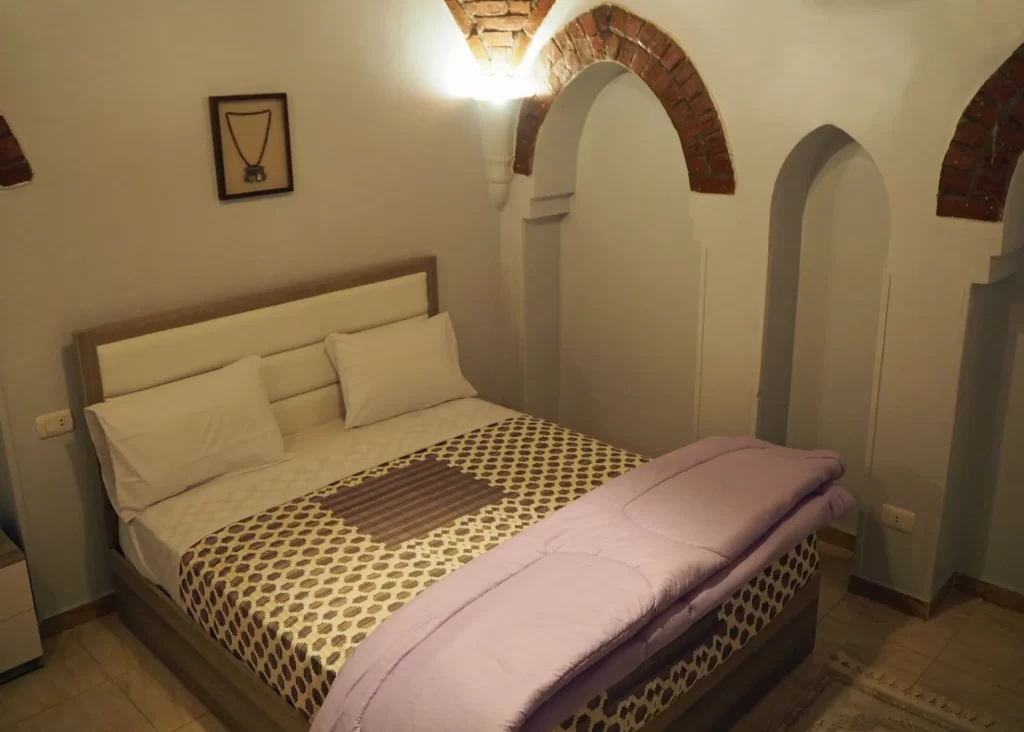

- Essential spaces transform experiences around pavilion 88, shaping lasting memories
- The Architectural Harmony of Space and Light
- The Role of Materiality in Creating Atmosphere
- Landscaping as an Extension of Architectural Design
- Creating Microclimates for Enhanced Comfort
- The Social Dynamics of Well-Designed Spaces
- Facilitating Spontaneous Interactions and Collaboration
- The Impact of Sensory Experiences
- Future Trends in Experiential Spaces
Essential spaces transform experiences around pavilion 88, shaping lasting memories
The concept of thoughtfully designed spaces holds immense power, influencing not just how we function, but also how we feel and remember experiences. A prime illustration of this principle is found within the environment surrounding pavilion 88, a locale meticulously crafted to facilitate meaningful interactions and cultivate enduring impressions. The deliberate integration of architectural design, landscaping, and ambient elements works synergistically to create a destination that transcends mere functionality, becoming a backdrop for personal narratives and shared moments.
Modern life often prioritizes efficiency over experience, leading to environments that feel sterile and impersonal. However, a growing recognition of the importance of well-being and emotional connection is driving a shift towards spaces that nurture these qualities. This trend favors designs that encourage exploration, foster community, and inspire a sense of belonging. The success of such locations isn’t measured by foot traffic alone, but by the positive emotional resonance they create within those who inhabit them. Pavilion 88 reflects this evolving philosophy, offering an immersive environment designed to enhance every interaction.
The Architectural Harmony of Space and Light
The architecture surrounding pavilion 88 isn’t simply about structures; it's about the artful manipulation of space and light to evoke specific moods and facilitate different activities. The buildings themselves, often characterized by clean lines and expansive glass facades, serve to seamlessly blend indoor and outdoor environments. This design choice isn’t merely aesthetic; it’s a deliberate attempt to blur the boundaries between the built world and the natural one, encouraging a greater sense of connection with the surroundings. Natural light plays a crucial role, flooding interiors with warmth during the day while strategically placed illumination creates inviting atmospheres as evening descends. The careful consideration of these elements speaks to a deeper understanding of how our environment impacts our psychological state.
The Role of Materiality in Creating Atmosphere
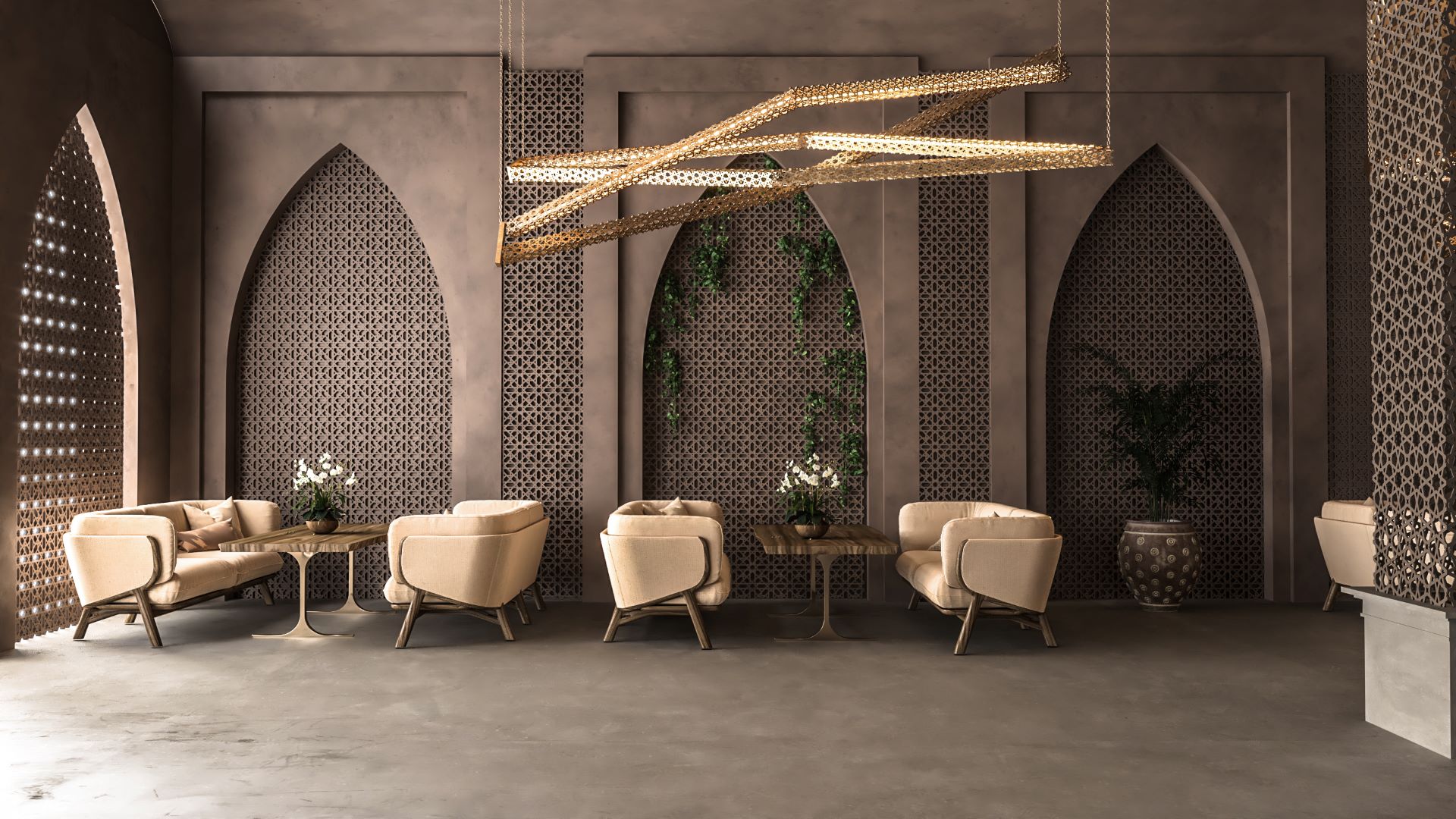
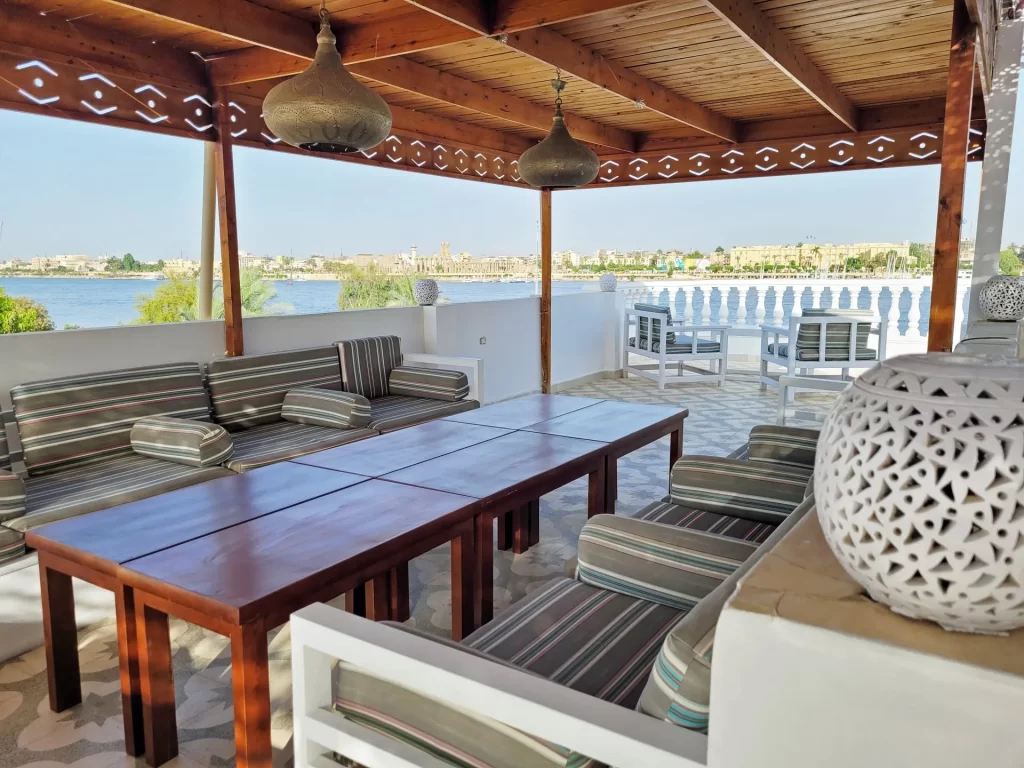
Beyond the overall structure, the materials used in the build significantly contribute to the character and ambiance. Natural materials, such as wood, stone, and locally sourced vegetation, are often favored for their inherent warmth and texture. These materials not only appeal to our senses but also carry a sense of authenticity and grounding. The juxtaposition of these natural elements with more contemporary materials, such as steel and glass, creates a dynamic contrast that feels both modern and timeless. The intentional selection of materials isn’t arbitrary; it’s a conscious effort to create an environment that feels harmonious, inviting, and reflective of the surrounding landscape.
| Wood | Warmth, natural texture, sense of grounding |
| Stone | Durability, timelessness, connection to the earth |
| Glass | Light, transparency, seamless integration with outdoors |
| Steel | Modernity, strength, structural integrity |
The deliberate interplay of these materials creates a sensory experience that elevates the overall environment beyond its functional purpose. It demonstrates an understanding of how detailed design choices can subtly influence the mood and perception of a space.
Landscaping as an Extension of Architectural Design
The landscaping surrounding pavilion 88 isn’t merely an afterthought; it’s an integral extension of the architectural design. Careful attention is given to the selection of plant species, the arrangement of pathways, and the incorporation of water features to create a harmonious and inviting outdoor environment. Lush greenery provides a soothing visual backdrop, while strategically placed trees offer shade and shelter. The use of native plants is often prioritized, not only to ensure ecological sustainability but also to create a sense of place that is deeply rooted in the local ecosystem. This approach demonstrates a commitment to environmental stewardship and a desire to create a space that feels organically connected to its surroundings.
Creating Microclimates for Enhanced Comfort
Thoughtful landscaping can also be used to create microclimates that enhance comfort and usability. Strategic planting can provide windbreaks, reducing exposure to harsh weather conditions. The use of shade trees can lower ambient temperatures, creating cooler areas for relaxation and socializing. Water features, such as ponds and fountains, can add humidity to the air, creating a more pleasant environment. These subtle interventions demonstrate a deep understanding of how natural elements can be harnessed to improve the overall experience of the space. This also further solidifies the impact of this connected environment.
- Windbreaks reduce exposure to harsh weather.
- Shade trees lower ambient temperatures.
- Water features increase humidity.
- Native plants support local ecosystems.
These carefully considered elements transform the surrounding landscape into an active component of the overall design, contributing to a more comfortable, sustainable, and immersive experience.
The Social Dynamics of Well-Designed Spaces
The way a space is designed profoundly impacts the social interactions that occur within it. Pavilion 88’s design specifically encourages a sense of community and connection. Open layouts, comfortable seating arrangements, and designated gathering areas invite people to linger, interact, and build relationships. The deliberate placement of amenities, such as cafes and co-working spaces, fosters spontaneous encounters and collaboration. Thoughtful consideration is also given to the acoustics of the space, minimizing noise distractions and creating an environment conducive to conversation. This emphasis on social interaction reflects a growing recognition of the importance of human connection in fostering well-being and belonging.
Facilitating Spontaneous Interactions and Collaboration
Creating opportunities for serendipitous encounters is a key aspect of effective spatial design. Strategic placement of common areas, such as coffee stations and lounge areas, encourages people to cross paths and engage in informal conversations. Flexible furniture arrangements allow spaces to be easily adapted to different needs, facilitating both small group discussions and larger gatherings. The provision of amenities, such as whiteboards and presentation screens, supports spontaneous collaboration and idea sharing. These subtle interventions can have a significant impact on the social dynamics of the space, fostering a sense of community and encouraging innovation.
- Open layouts encourage interaction.
- Comfortable seating invites lingering.
- Common areas facilitate encounters.
- Flexible furniture supports adaptability.
Well-designed spaces are not simply containers for activity; they are catalysts for connection and collaboration, enriching the lives of those who inhabit them.
The Impact of Sensory Experiences
Beyond the visual aesthetic, the overall experience of pavilion 88 is deeply enriched by a careful attention to sensory details. The incorporation of pleasant scents, soothing sounds, and tactile materials creates a multi-sensory environment that engages and delights. The subtle aroma of flowering plants, the gentle murmur of a water feature, and the smooth texture of natural stone all contribute to a sense of calm and well-being. This holistic approach to design recognizes that our perception of a space is shaped by all of our senses, not just our sight. By creating a harmonious blend of sensory experiences, the environment surrounding pavilion 88 becomes more inviting, memorable, and emotionally resonant.
The intentional curation of the auditory landscape is also important. Background music is carefully selected to complement the mood and activities of the space. The reduction of unwanted noise, through the use of sound-absorbing materials and strategic landscaping, creates a more peaceful and focused environment. This attention to detail demonstrates a commitment to creating a truly immersive and restorative experience.
Future Trends in Experiential Spaces
The principles underpinning the design of pavilion 88 – a focus on well-being, social connection, and sensory engagement – are indicative of broader trends in the development of experiential spaces. We're likely to see increased emphasis on biophilic design, incorporating natural elements and patterns into the built environment. Smart technologies will also play a growing role, enabling spaces to adapt to the needs of their occupants in real-time. Personalization will become increasingly important, allowing individuals to customize their environment to suit their preferences. The demand for spaces that foster creativity, innovation, and a sense of belonging will continue to drive innovation in design and construction.
Consider the application of augmented reality (AR) within such environments. Imagine walking through the landscaped areas and, through a mobile device, accessing information about the plant life or historical context of the space. Or picture interactive art installations that respond to the movements and emotions of passersby. These technologies have the potential to deepen our engagement with the environment and create even more memorable experiences. This potential application of technology beautifully complements the existing thoughtful design of areas like pavilion 88.